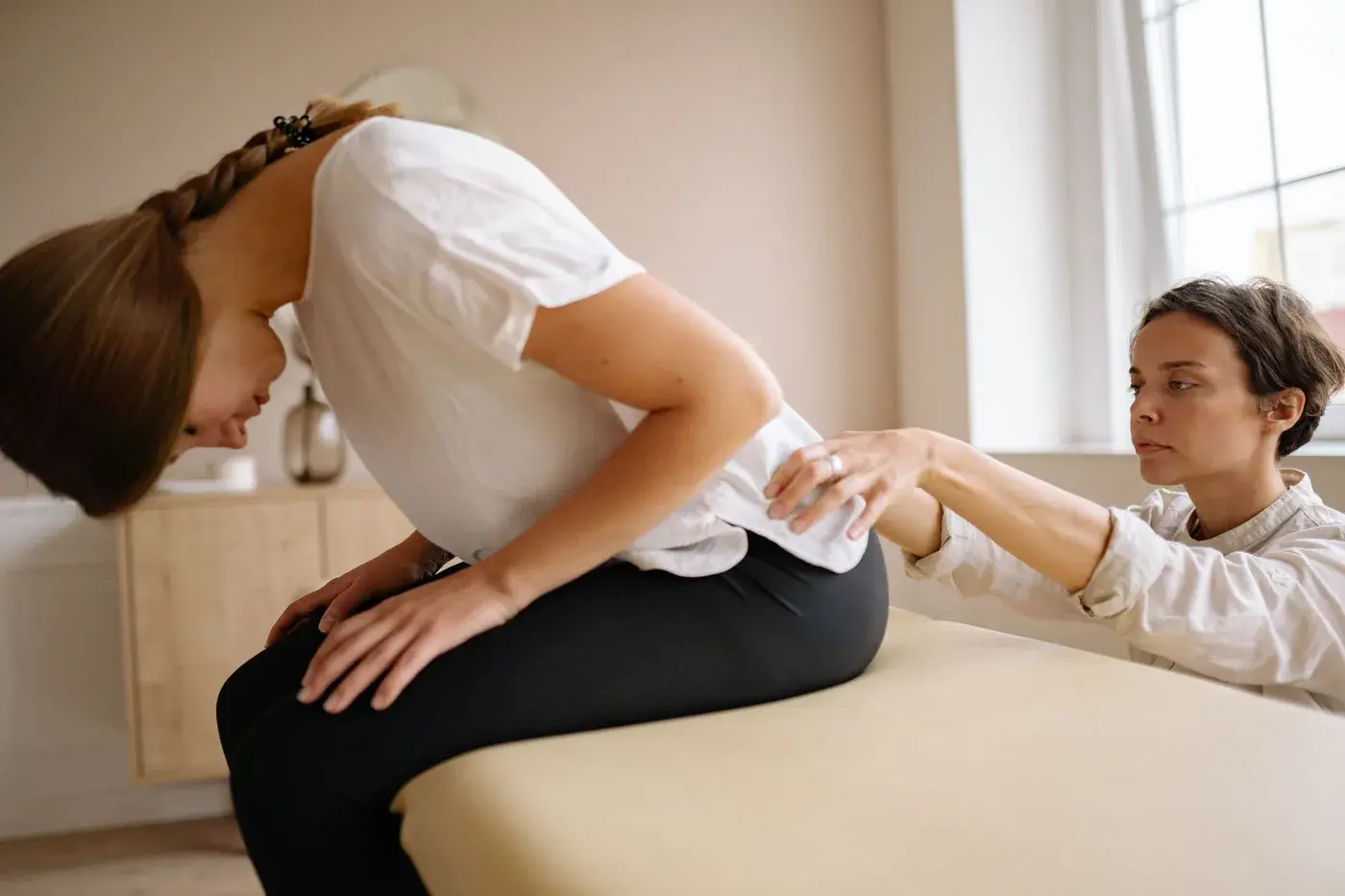
Walking and posture patterns can offer useful clues to neurogenic vs vascular claudication. Learn which details to track—like downhill vs uphill tolerance, standing vs walking effects, and cycling observations—and the emergency signs that require immediate evaluation before a spine‑pain visit.
A selective nerve root block can help identify a symptomatic nerve root in some lumbar or cervical radiculopathy evaluations. Learn what the test aims to show, how to track short-term responses, and which safety and expectation topics to raise—without promising outcomes.
A practical 2026 guide for preparing to discuss an opioid taper or dose change at a pain clinic. Learn what to bring, what monitoring to expect, how national safety guidance informs policies, and which questions support shared decisions.
The FDA extended Narcan nasal spray’s labeled shelf life to 3 years on August 6, 2026. Here’s how the change affects home overdose‑preparedness: how to check the printed expiration date, storage basics that protect quality, and thoughtful questions to bring to an opioid‑management visit.
For many adults with knee pain, weightbearing X‑rays come first. MRI can add value when results would change decisions, such as confirming suspected internal derangement after nondiagnostic radiographs. Learn safety cues, when urgent care is needed, and how to prepare questions for a pain‑clinic visit.
Sacroiliac joint pain can overlap with low back, buttock, and posterior thigh symptoms. Learn how clinicians use history, exam provocation test clusters, and selective image‑guided diagnostic anesthetic injections, what to track before your visit, and which red flags require immediate emergency care.
Confused by a lumbar MRI report? This guide explains common terms like disc bulge, herniation, stenosis, Modic changes, annular fissure, facet arthropathy, and spondylolisthesis; why findings may not match symptoms; which red flags require emergency care; and how to prepare focused clinic questions.
A genicular nerve block can help determine whether knee radiofrequency ablation is reasonable to consider. Learn how the diagnostic block is used, what to track after the test, the evidence and safety themes for different RFA techniques, and practical questions to bring to your pain‑clinic visit.
Neck pain with arm symptoms can reflect irritation of a nerve root or, less commonly, pressure on the spinal cord. Learn how patterns differ, when cervical MRI may be considered (not assumed), how timing differs from low back pain, and which warning signs need immediate emergency care.
Learn how a diagnostic medial branch block helps evaluate suspected facet-related spine pain, what to expect at the visit, key safety points, and how to keep a pain-and-function diary that makes results more interpretable for shared planning at CMS Pain Management & Rehab.
In July 2026, the FDA approved the first OTC tablet that combines acetaminophen with naproxen sodium. This guide outlines key label steps, interaction checks, risk factors, and practical clinic questions adults can consider before using the new product.
On September 3, 2026, the FDA announced a Class I recall involving the Boston Scientific Infinion CX spinal cord stimulator lead. Here’s what that recall means for current users and the non‑urgent, safety‑focused questions to bring to a pain‑clinic visit for coordinated monitoring and reporting.
Preparing for a lumbar epidural steroid injection consultation means organizing symptom timelines, bringing prior imaging and reports, and disclosing conditions like diabetes, infection risks, and blood thinners. This supports a safety-first discussion that includes red-flag emergencies, imaging needs, and risk checks before any procedure is considered.
Understanding nociceptive, neuropathic, and nociplastic pain can help organize a nonopioid, rehabilitation-first plan. CMS Pain Management & Rehab explains how clinicians use these mechanisms to align goals, imaging choices, and medication safety without turning labels into diagnoses.
Planning a spinal cord stimulation consultation now includes clear MRI and programming questions. Recent FDA PMA supplements can change MRI access and note programming options. Learn what to bring, which MRI topics to raise, how trials are evaluated, and safety points to keep in mind.
Considering or already using opioids for chronic pain? Learn how an opioid treatment agreement, PDMP checks, and urine drug screening fit into safety‑first pain care, what they typically include, how results are discussed, and which visit questions can align expectations with your clinician.
Frequent use of quick-relief headache medicines can be linked with more headache days. Learn the safety basics of medication overuse headache, the red flags that need immediate emergency evaluation, and what to track so a headache-clinic visit is efficient and safe.
A 2026 look at PRP for knee osteoarthritis: how a randomized trial and network meta-analyses compare PRP with corticosteroid and NSAID injections, what PRP+HA research suggests, where placebo-controlled results remain mixed, and which questions to bring to a pain-clinic visit.
Recurring or severe muscle spasms deserve a careful evaluation that screens for emergencies and contributing conditions before exploring conservative care, rehabilitation, and any medication options.
Soft lumbar belts may offer small, short-term comfort for some people with nonspecific low back pain. Learn realistic benefits, limits, fit and safety points, and how to discuss a cautious trial during a spine visit in Atlanta.
Comparing acoustic wave therapy near Decatur? Learn how to verify the device, evidence, costs, candidacy, expectations, and where CMS Pain & Rehab schedules appointments.
Confirm CMS Pain Management & Rehab’s Sandy Springs address, contact options, booking approach, and forms from the clinic’s official listing before you travel.
Use a focused checklist, pain diary, and functional goals to prepare for your low back pain visit—and know which red flags mean you should go to the emergency department now.
Not every back or neck pain needs immediate imaging. Learn which red flags, neurologic changes, and timelines guide when X‑ray, MRI, or CT is appropriate for spine pain.