A randomized trial published on October 12, 2026, examined photobiomodulation—often described in everyday language as light therapy—as an add-on to motor-control exercise for chronic nonspecific low-back pain. Its reported takeaway was that the added effect of the light therapy was negligible. The trial record on PubMed (opens in a new tab) describes the study as a randomized trial of this combined approach.
That finding is useful, but it has a narrow scope. It is about the benefit of adding photobiomodulation to a particular exercise approach in the population studied. It is not evidence that exercise itself does not help, nor does it settle whether light therapy may have a role in other situations.
What the trial asked
The researchers looked at photobiomodulation alongside motor-control exercise for people with chronic, nonspecific low-back pain. In this context, “alongside” or “adjunct” means the light-based treatment was considered as an addition to exercise, rather than as a replacement for it. The study’s title identifies the question as whether that extra treatment added meaningful benefit. Read the PubMed record (opens in a new tab).
This distinction matters when interpreting a treatment study. A study of an add-on asks whether the combination offers something beyond the underlying approach. It does not, by itself, test whether the underlying approach is effective compared with no care or with a different treatment. The result should therefore be read as a finding about the add-on, not as a verdict on exercise rehabilitation as a whole.
What the researchers reported
The trial’s title characterizes the added effect of photobiomodulation as “negligible.” In plain language, the report does not suggest that adding light therapy made an important difference to motor-control exercise in the trial’s setting. The study title and publication information are listed on PubMed (opens in a new tab).
That is a reason to be measured about claims that light therapy will improve an exercise program for chronic nonspecific low-back pain. It is not a reason to conclude that the treatment can never matter for anyone, or for a different condition or treatment plan. One trial addresses a defined question; it cannot answer every question about a broad treatment category.
| What the trial focused on | What its reported result means | What it does not establish |
|---|---|---|
| Photobiomodulation added to motor-control exercise | The added effect was reported as negligible | That exercise itself is ineffective |
| Chronic nonspecific low-back pain | The result concerns the population and approach studied | That the same result applies to every back-pain cause |
| One randomized trial | It contributes evidence about this specific add-on question | That light therapy has no possible role in other contexts |
What “negligible added effect” does—and does not—mean
The phrase describes the extra contribution attributed to photobiomodulation when it is paired with motor-control exercise. It does not say that participants received no exercise, or that the exercise component had no value. Those are different questions from whether an add-on changes the result.
The result also should not be stretched into a general statement about all light-based treatments. The trial examined a specific intervention as an adjunct to a specific exercise approach for chronic nonspecific low-back pain. The available trial information cited here does not provide grounds to generalize the finding to every kind of pain, every light-therapy method, or every rehabilitation plan. See the study’s stated scope (opens in a new tab).
A single study also cannot tell an individual exactly what they will experience. The practical takeaway is not to assume that light therapy will add a meaningful benefit, and not to treat this result as a personal prediction or a complete review of all available evidence. A licensed clinician can help put the finding in context alongside a person’s symptoms, goals, and other care options.
Questions to discuss with a clinician
If light therapy has been suggested as part of care, it may help to ask what role it is intended to play and how its contribution would be evaluated. Consider questions such as:
- Is the proposed treatment an add-on to exercise or a different approach?
- What outcome are we hoping to improve, and how will we check whether the plan is helping?
- What is known about this treatment for my particular situation, and what remains uncertain?
- Are there other rehabilitation or pain-management options worth discussing?
These questions are a way to make a shared, informed decision; they are not a recommendation to begin, stop, or change treatment. The trial is one piece of information for that conversation, not a substitute for an individualized evaluation.
The takeaway
This randomized trial reported a negligible added effect from photobiomodulation alongside motor-control exercise for chronic nonspecific low-back pain. The finding is specifically about the light-therapy add-on. It does not show that exercise rehabilitation is ineffective, and it does not rule out a role for light therapy in other contexts. The PubMed record provides the trial title and publication details (opens in a new tab).
For people weighing rehabilitation or pain-management choices, the most useful next step is a conversation with a licensed clinician about the evidence, the goals of care, and which options fit their circumstances. CMS Pain & Rehab is located in Sandy Springs and serves patients in the metro Atlanta area. To arrange a visit, request an appointment or contact the practice.
Sources
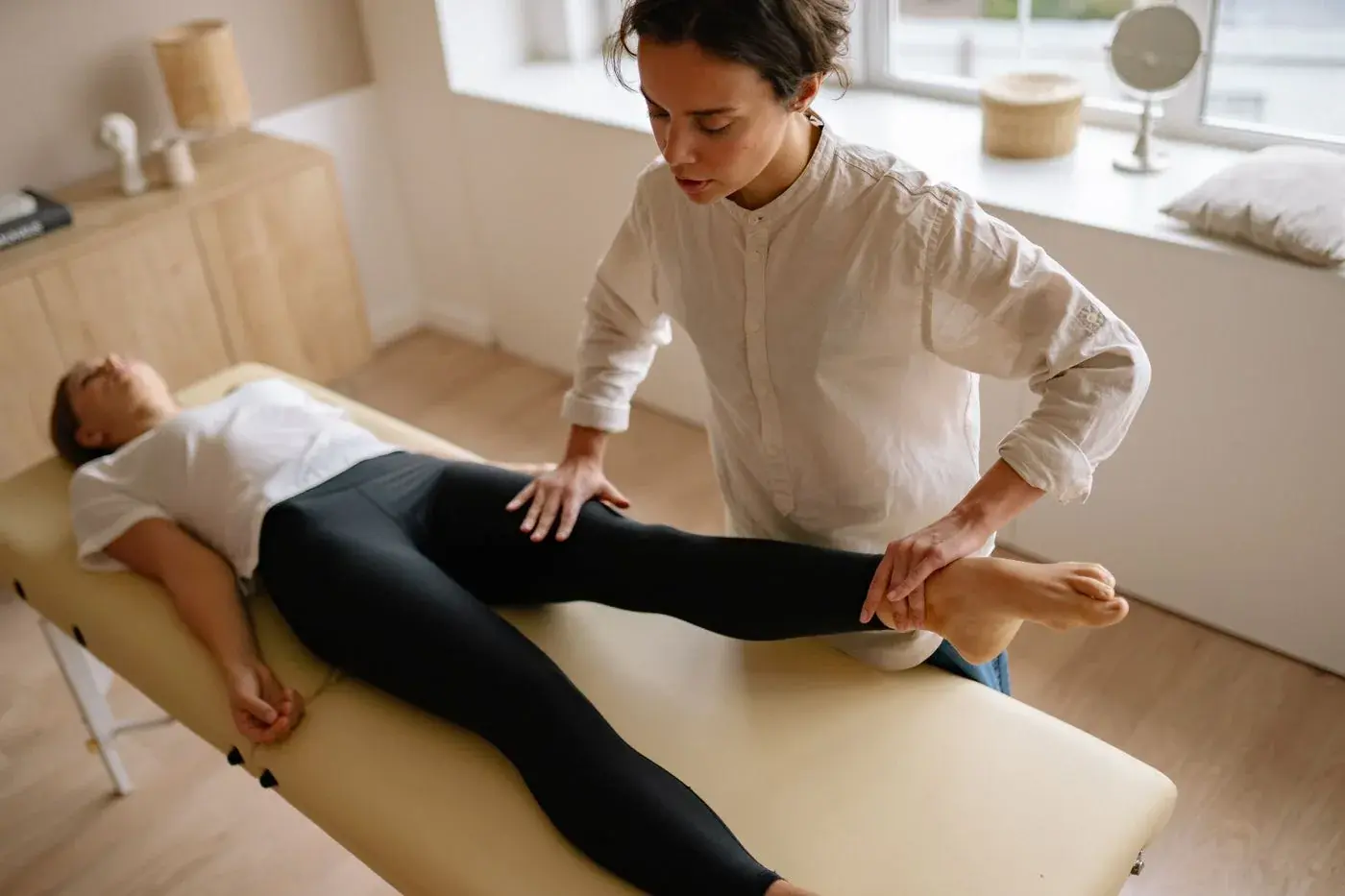
This article provides general information and is not an individual diagnosis or treatment recommendation. Ask your clinician how the information relates to your health. The accompanying stock photograph is illustrative.
Originally published Oct 20, 2026. Last updated Oct 18, 2026.