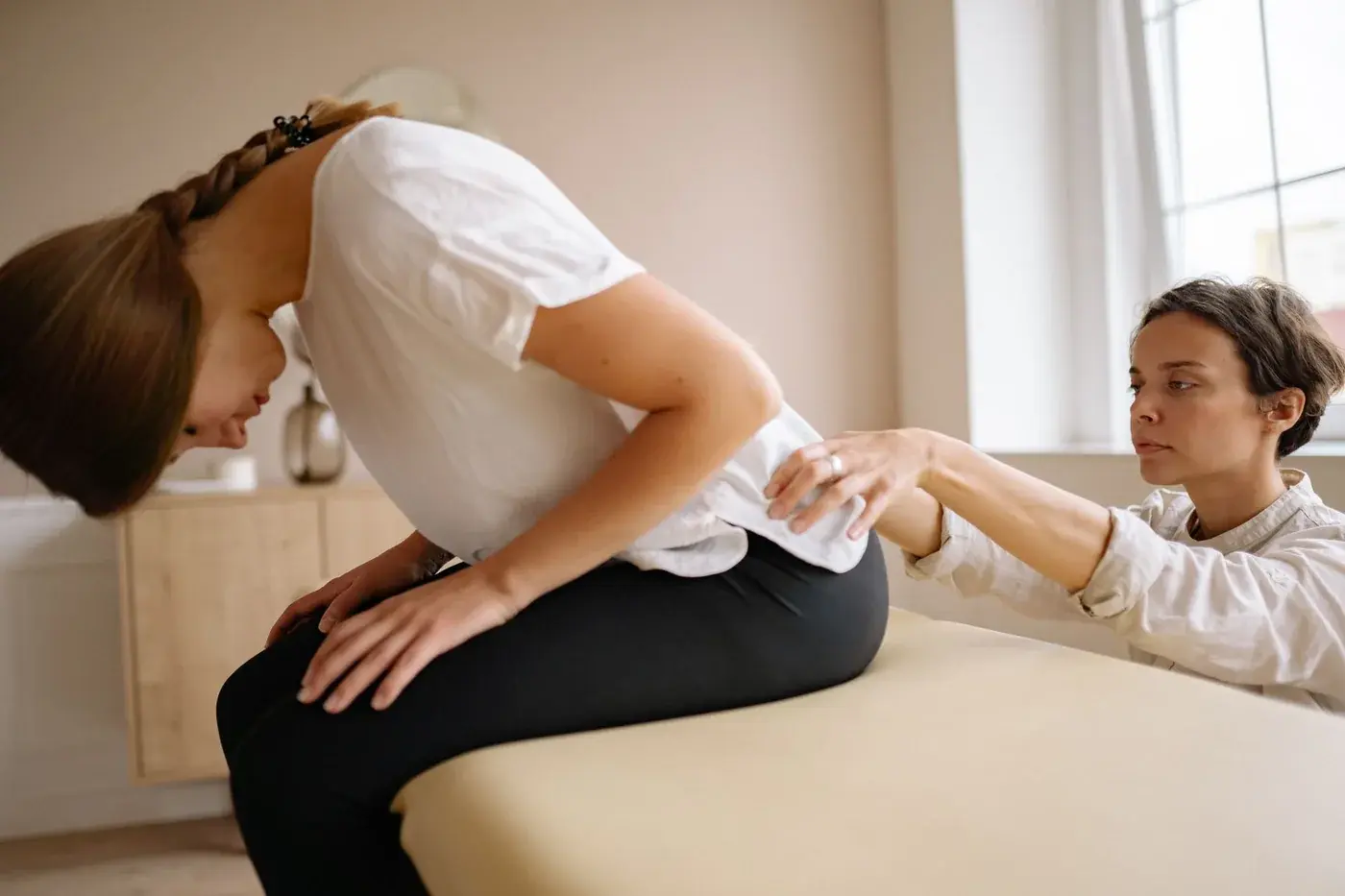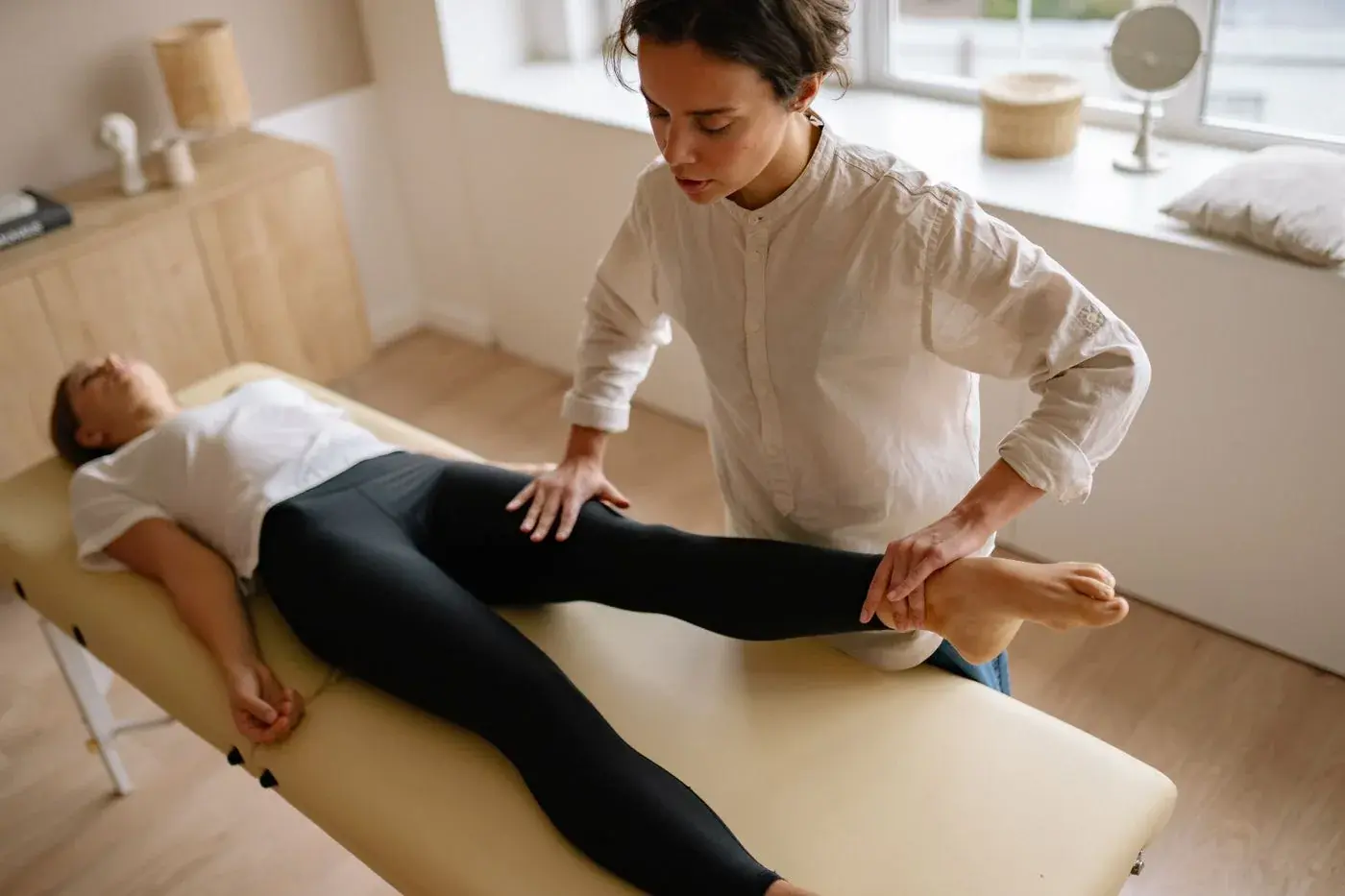
A knee pain evaluation is easier to focus when you can describe what you feel, when it happens, and what has changed in your daily life. Those details help a clinician understand the concern and decide what further assessment may be useful; they do not, by themselves, identify a specific cause. Knee pain can begin suddenly, sometimes after an injury or exercise, or develop gradually from mild discomfort. [2 (opens in a new tab)] Different problems can produce overlapping symptoms, so location or a particular activity should not be treated as a self-diagnosis. [2 (opens in a new tab)] Preparing a short knee pain history can help you use appointment time to explain your experience and ask questions. [5 (opens in a new tab)]
Describe the onset, location, and pattern
Start with when you first noticed the knee problem. If it began suddenly, describe what was happening at the time, such as a fall, twist, impact, exercise, or another change in activity. If it came on gradually, say so and note whether it has stayed similar, eased, or become more noticeable. Also mention whether you have had a similar episode before. These are useful history details to share during an evaluation. [2 (opens in a new tab), 1 (opens in a new tab)] Be as specific as you can about where you feel discomfort: in front of or around the kneecap, along the inner or outer side, behind the knee, or across a broader area. Location can be one piece of the clinical picture, but a location alone cannot establish the reason for the pain. Several different conditions may be associated with pain in the same general area. [2 (opens in a new tab), 3 (opens in a new tab)] Describe the pattern in ordinary terms. Does it come and go, or is it present much of the time? Is it different during movement or at rest? Has it changed over days or weeks? You do not need to use technical pain terms. A brief account in your own words, including what seems to bring symptoms on or make them settle, gives the clinician context without asking you to interpret the cause. Appointment preparation guidance recommends writing down symptom details and how long they have been present or how they have changed. [5 (opens in a new tab)]
Mention swelling, stiffness, and other changes
Tell the clinician if you have noticed swelling, stiffness, a change in how freely the knee moves, or sounds or sensations such as grinding or scraping. Explain when you notice them and whether they occur with pain or independently. Stiffness, swelling, and pain can be associated with difficulty walking, climbing, or getting in and out of a chair or bathtub, but those experiences do not point to one explanation on their own. [4 (opens in a new tab)] You can also mention whether the knee has buckled or felt unreliable, or whether you have noticed changes in walking. Include any other symptoms or health changes that seem relevant, even if you are uncertain they are connected. Knee pain may have different causes, and a clinician considers the history in context rather than relying on a single symptom. [2 (opens in a new tab)] A note about how substantial or unusual the change feels may help communicate why you booked the appointment. Severe, unexplained joint pain and swelling—particularly alongside other unexplained symptoms—is a reason to contact a health care provider. [1 (opens in a new tab)] If pain followed an accident or injury, MedlinePlus advises contacting a health care provider. [2 (opens in a new tab)] If you are unsure how promptly a new or worsening concern should be assessed, contact an appropriate health professional for guidance rather than trying to determine the cause yourself.
Explain the effect on daily activities
A clear account of knee pain and daily activities can help make the visit more useful. Instead of saying only that the knee hurts, describe what has become harder, what you are doing differently, and whether the change is occasional or consistent. Knee problems can affect activities ranging from sports to getting up from a chair and walking. [7 (opens in a new tab)] Knee stiffness, swelling, and pain may also make walking, climbing stairs, or getting in and out of a chair or bathtub difficult. [4 (opens in a new tab)] Consider whether the knee affects walking around the home or outdoors, stairs, standing, getting up from a seat, bathing, work tasks, exercise, or other activities that matter to you. These are prompts, not a checklist of problems you should have. If an activity is unaffected, that is useful context too. Describe what you can still do, what takes longer, and whether you have changed how you do it. Sharing the specific impact of symptoms is part of giving a clinician a fuller picture of your concerns. [5 (opens in a new tab)] You might keep a short record for a few days if the pattern is difficult to remember. Note the activity, the symptom you noticed, and whether it affected what you could do. A log is optional; it should describe your experience, not rank your symptoms or steer you toward a diagnosis. Preparing written symptom details before a visit can support a more complete conversation. [5 (opens in a new tab)]
A practical knee pain appointment preparation list
- When the symptoms began, whether the start was sudden or gradual, and what was happening around that time. Mention any injury or change in activity you associate with the onset. [2 (opens in a new tab)]
- Where the discomfort is located, how it behaves over time, and whether you have had a similar problem before. [1 (opens in a new tab), 2 (opens in a new tab)]
- Any swelling, stiffness, movement changes, grinding or scraping sensations, or buckling you have noticed, along with when they occur. [4 (opens in a new tab)]
- Examples of daily activities affected—and activities that remain manageable—including walking, stairs, or getting up from a chair. [4 (opens in a new tab), 7 (opens in a new tab)]
- Relevant health information, allergies, and any questions you want answered. Visit-preparation guidance encourages patients to share symptom details and allergy information and to ask questions when something is unclear. [5 (opens in a new tab)]
What a symptom history can—and cannot—tell you
Your account helps a clinician understand the concern, but it is only one part of an evaluation. Knee pain has different possible causes, and similar areas or patterns of discomfort do not prove that a particular structure or condition is involved. [2 (opens in a new tab)] The clinician may ask follow-up questions and assess the knee in the context of your symptoms and history. Whether imaging is useful depends on the clinical scenario: American College of Radiology guidance lists knee radiographs as usually appropriate initial imaging for adults with chronic knee pain, while MRI without contrast may be appropriate in some scenarios after radiographs show osteoarthritis and is usually appropriate in certain scenarios when a tendon, meniscus, or ligament abnormality is suspected. [6 (opens in a new tab)] These recommendations describe scenarios, not a promise that a particular test is needed for every person. It is reasonable to ask how the clinician is interpreting your symptoms, what further assessment is being considered, and what alternatives exist. The visit is also a chance to clarify what is known, what remains uncertain, and how the next steps relate to your priorities. Preparing questions and describing your symptoms honestly can help make that discussion clearer. [5 (opens in a new tab)] CMS Pain Management & Rehab focuses on pain management and rehabilitation; a knee-pain conversation can include how symptoms affect function and what questions you want addressed during an evaluation.
Questions to take to your clinician
- Which parts of my symptom history would be most helpful to clarify?
- What possibilities are you considering, and what information supports or limits them?
- What would you want to learn from an examination or any proposed imaging?
- How should we discuss the effect of my knee symptoms on walking, stairs, work, or other activities that matter to me?
- What changes in my symptoms should prompt me to seek further medical guidance?
What should I write down before a knee pain evaluation?
Write down when the pain began, whether it started suddenly or gradually, where you feel it, how it changes, and any effect on daily activities. Include swelling, stiffness, or other changes you have noticed. These details can help you explain the concern, but they do not establish a cause by themselves. [2 (opens in a new tab), 4 (opens in a new tab), 5 (opens in a new tab)]
Should I talk about how knee pain affects daily activities?
Yes. Explain which activities are harder, which remain manageable, and what you have changed in your routine. Knee problems can affect walking and getting up from a chair, among other activities, and those functional details help describe the impact of symptoms. [4 (opens in a new tab), 7 (opens in a new tab)]
Can the location of my knee pain tell me what is causing it?
No single symptom or location can confirm a cause. Knee pain has different possible causes, and a clinician considers your history in context. [2 (opens in a new tab)] You can ask what possibilities are being considered and what further assessment, if any, may help.
Sources
- Joint pain: MedlinePlus Medical Encyclopedia (opens in a new tab)
- Knee pain: MedlinePlus Medical Encyclopedia (opens in a new tab)
- Knee pain: MedlinePlus Medical Encyclopedia Image (opens in a new tab)
- Osteoarthritis | Health (opens in a new tab)
- Make the most of your doctor visit: MedlinePlus Medical Encyclopedia (opens in a new tab)
- https://acsearch.acr.org/docs/69432/Narrative/ (opens in a new tab)
- https://www.medlineplus.gov/kneeinjuriesanddisorders.html (opens in a new tab)
When to Talk With a Clinician
For non-emergency questions, contact CMS Pain Management & Rehab to discuss your symptoms and care options with a qualified clinician. For emergency warning signs, call 911 or seek emergency care now rather than contacting the clinic.
Medical disclaimer: This article is for general education and is not a diagnosis or a substitute for individualized medical advice. Treatment options, risks, and eligibility vary; consult a qualified healthcare professional.
This article provides general information and is not an individual diagnosis or treatment recommendation. Ask your clinician how the information relates to your health. The accompanying stock photograph is illustrative.
Originally published Oct 9, 2026. Last updated Oct 9, 2026.