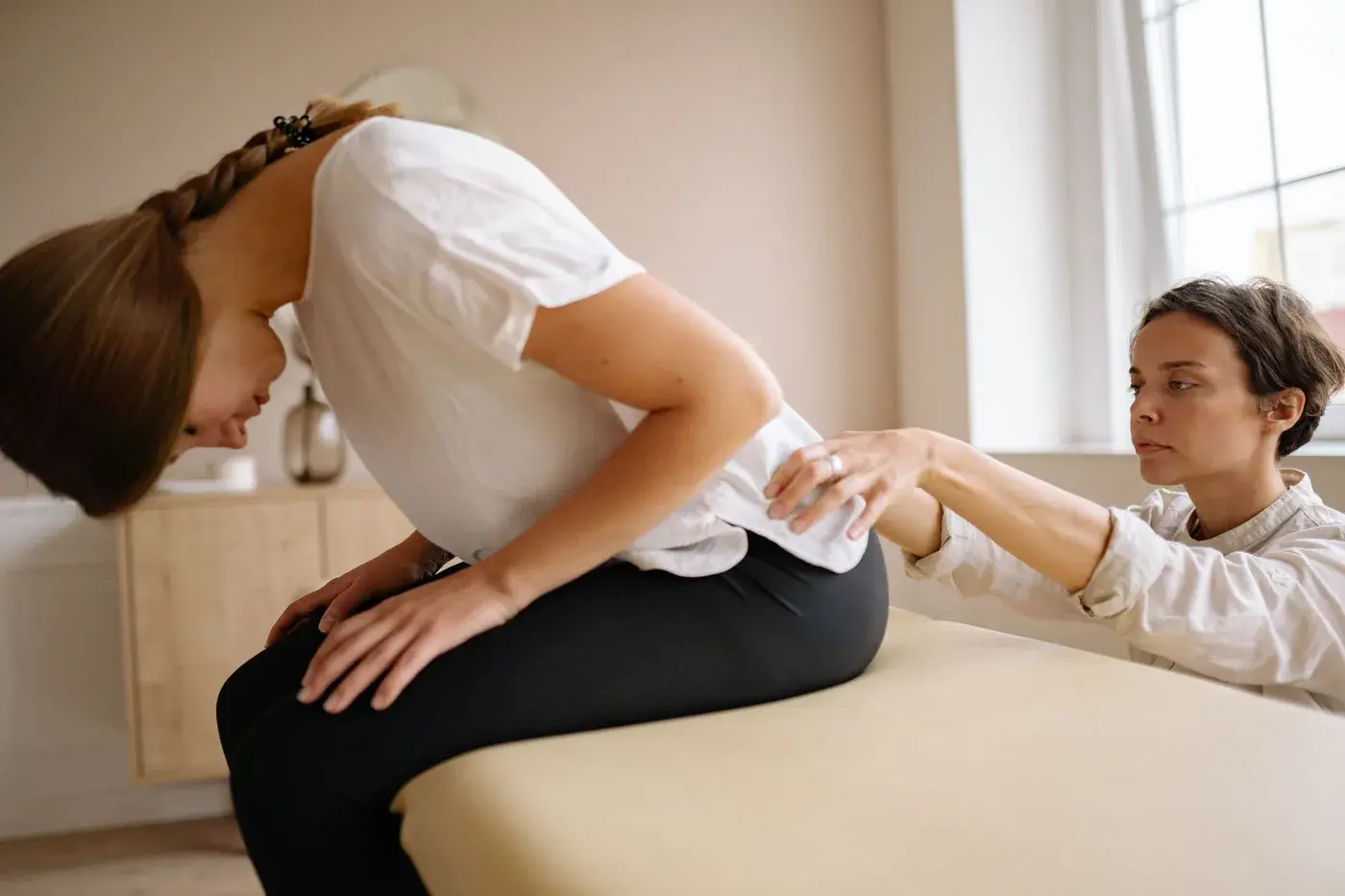
Dated 2026-09-07. At CMS Pain Management & Rehab, we use a practical framework—nociceptive, neuropathic, and nociplastic pain—to help organize nonopioid, rehabilitation-first care. This framework does not function as a diagnosis and does not predict an individual outcome. It helps set shared goals, choose conservative options first, and consider medication safety while staying flexible as new information emerges during your evaluation [14 (opens in a new tab)].
What we mean by nociceptive vs neuropathic vs nociplastic pain
Mechanism language describes how pain signals are likely being generated or maintained [9 (opens in a new tab)]. Nociceptive pain refers to activation of peripheral nociceptors by actual or threatened tissue injury—often perceived as more localized and proportionate to mechanical or inflammatory inputs [9 (opens in a new tab)]. Neuropathic pain arises from a lesion or disease of the somatosensory nervous system and may feel burning, shooting, electric-like, or be associated with sensory changes such as allodynia or numbness [2 (opens in a new tab)]. Nociplastic pain reflects altered nociception without clear ongoing tissue damage or nerve lesion, often with hypersensitivity, sleep or cognitive symptoms, and pain disproportionate to local findings, consistent with central sensitization phenomena [8 (opens in a new tab), 9 (opens in a new tab), 16 (opens in a new tab)]. The nervous system processes and modulates these signals across peripheral and central pathways, so overlap is common and patterns can evolve over time [1 (opens in a new tab), 9 (opens in a new tab)].
Why CMS uses a mechanism-informed, nonopioid, rehab-first plan
For most subacute and chronic pain, national guidance emphasizes nonopioid therapies and individualized, multimodal care that integrates physical, psychological, and social elements; medications are considered within this broader plan and selected for the best balance of likely benefit and risk in a given person [14 (opens in a new tab)]. Mechanism-informed reasoning can help prioritize options: for example, movement-based rehabilitation for nociceptive drivers, function-focused rehabilitation for neuropathic features, and graded activity with pain education and sleep strategies when nociplastic contributors are suspected—all adapted to your function and safety profile [14 (opens in a new tab), 9 (opens in a new tab)].
Nociceptive features and rehabilitation framing
When pain behaves in a way that seems linked to tissue load or inflammation—often more localized and mechanically sensitive—rehabilitation typically focuses on restoring mobility and tolerance in a paced, progressive manner, alongside education on pain mechanisms and self-management skills [9 (opens in a new tab), 14 (opens in a new tab)]. Some individuals and clinicians discuss time-limited use of nonopioid medications as part of a multimodal plan; any consideration of nonsteroidal anti-inflammatory drugs should include discussion of cardiovascular and gastrointestinal risks highlighted by the U.S. Food and Drug Administration [12 (opens in a new tab)]. Decisions about medication use and duration should be guided by the prescribing clinician familiar with your history; do not make changes without that clinician’s input [14 (opens in a new tab)].
Neuropathic features and treatment framing
Neuropathic characteristics may include burning or electric shock–like pain, pins-and-needles, tingling, numbness, or pain from normally nonpainful touch; these arise from disease or injury within the somatosensory system [2 (opens in a new tab)]. Guideline-supported medication classes that clinicians may consider include certain antidepressants and anticonvulsants; selection is individualized and monitored for side effects in shared decision-making [2 (opens in a new tab)]. The FDA has warned about serious breathing problems with gabapentin and pregabalin in patients with respiratory risk factors or when combined with central nervous system depressants; these risks should be reviewed with the prescribing clinician before any change is made [13 (opens in a new tab)]. Rehabilitation still plays a central role—often using graded activity and function-focused approaches to support participation and mobility within tolerable limits [14 (opens in a new tab)].
Nociplastic features and care considerations
When pain appears disproportionate to local tissue findings, is widespread or migratory, and is accompanied by hypersensitivity, unrefreshing sleep, fatigue, or cognitive strain, clinicians may suspect nociplastic contributors such as central sensitization [8 (opens in a new tab), 9 (opens in a new tab), 15 (opens in a new tab)]. Care usually emphasizes education about nervous system sensitivity, sleep and stress strategies, pacing, and graded exposure to valued activities, potentially alongside carefully selected nonopioid medications or psychological therapies in a collaborative plan [14 (opens in a new tab), 9 (opens in a new tab)]. Research continues to refine definitions and clinical criteria; overlap with other mechanisms is frequent and labels can change as information accrues [8 (opens in a new tab), 16 (opens in a new tab)].
How the clinic evaluation explores mechanisms
A mechanism-informed evaluation at CMS starts with history: pain mapping, aggravating and easing factors, sleep and mood, prior responses to treatment, and functional goals [14 (opens in a new tab)]. The exam looks for sensory changes, segmental patterns, mechanical sensitivity, and neurologic findings [14 (opens in a new tab)]. We screen for urgent warning signs that require immediate emergency evaluation, such as new bladder or bowel dysfunction, saddle numbness, or rapidly progressive limb weakness [5 (opens in a new tab), 7 (opens in a new tab)]. Imaging is considered when red flags are present, when new or progressive neurologic deficits are identified, or when results would change management; the specifics differ for the lumbar spine and the cervical spine, and timing is not one-size-fits-all [5 (opens in a new tab), 4 (opens in a new tab)].
- Where the pain is located and how it spreads or fluctuates over time; mark intensity and quality (aching, burning, electric-like) with any numbness or tingling noted [2 (opens in a new tab), 9 (opens in a new tab)].
- Movements, positions, or activities that predictably aggravate or ease symptoms; include sleep quality and fatigue patterns [9 (opens in a new tab)].
- Functional priorities you want to regain, such as walking distance, lifting tolerance, or uninterrupted sleep, stated in concrete, measurable terms [14 (opens in a new tab)].
- Past treatments and medicines you have tried, what helped or did not, and any side effects or safety concerns to discuss with your prescribing clinician [14 (opens in a new tab), 12 (opens in a new tab), 13 (opens in a new tab)].
Imaging: when it helps, and when it does not
Lumbar spine: For most adults with new low back pain without red flags or severe/progressive neurologic deficits, major guidelines advise against routine early imaging; conservative care and monitoring are emphasized, with imaging reserved for concerning features or lack of improvement when results would alter management [5 (opens in a new tab), 3 (opens in a new tab), 11 (opens in a new tab)]. Immediate emergency evaluation—rather than a clinic visit—is warranted for new bladder or bowel dysfunction, saddle anesthesia, or rapidly progressive motor weakness, because these may reflect urgent conditions that require prompt assessment [5 (opens in a new tab), 7 (opens in a new tab)].
Cervical spine: Routine imaging is not recommended for uncomplicated neck pain [4 (opens in a new tab)]. New or progressive neurologic deficits or features suggesting cervical myelopathy require immediate emergency evaluation (call 911), and clinicians use targeted imaging when results would change management [4 (opens in a new tab), 6 (opens in a new tab)]. The lumbar timing approach should not be applied wholesale to the neck; cervical decisions reflect different anatomy, risk profiles, and clinical questions [4 (opens in a new tab)].
Medication safety in a nonopioid plan
Nonopioid medications can be considered within a multimodal plan when potential benefits outweigh risks for the individual [14 (opens in a new tab)]. Options discussed in national guidance include certain antidepressants, anticonvulsants, topical agents, and nonsteroidal anti-inflammatory drugs; choices depend on the pain mechanism suspected, coexisting conditions, and patient preferences [14 (opens in a new tab)]. NSAIDs carry boxed warnings for increased risks of heart attack and stroke and can raise risks of gastrointestinal bleeding; these safety issues should be weighed carefully with the prescribing clinician [12 (opens in a new tab)]. Gabapentin and pregabalin have FDA warnings about serious breathing problems in susceptible individuals and when combined with other sedatives; safety planning and monitoring are essential, and medication changes should not be made without the prescribing clinician’s direction [13 (opens in a new tab)].
Rehabilitation-first goals you can discuss at CMS
Rehabilitation aims to improve function, mobility, and participation in valued activities while reducing disability [14 (opens in a new tab)]. Plans may include graded exercise therapy, activity pacing, movement strategy coaching, and psychological therapies such as cognitive behavioral approaches, integrated within a broader self-management plan [14 (opens in a new tab)]. For low back pain, some complementary approaches like yoga, tai chi, and spinal manipulation have evidence for benefit in certain populations; conversations should address fit, safety, and goals within your comprehensive plan [10 (opens in a new tab)]. Mechanism-informed reasoning can shape emphasis: for nociceptive contributors, progressive loading and mobility work; for neuropathic features, function-focused rehabilitation; for nociplastic contributors, graded exposure, sleep and stress strategies, and pain education—always individualized and re-evaluated over time [9 (opens in a new tab), 14 (opens in a new tab)].
Limitations, overlaps, and why labels do not determine your future
These mechanism categories are tools, not fixed identities [9 (opens in a new tab)]. Many people show mixed features, and patterns can change as tissues heal, the nervous system adapts, or life circumstances shift [9 (opens in a new tab)]. Nociplastic pain criteria continue to evolve, and different research groups emphasize overlapping constructs such as central sensitization; clinical use is intended to guide hypotheses and test responses to care, not to define a person [8 (opens in a new tab), 15 (opens in a new tab), 16 (opens in a new tab)]. Because evidence is still developing, a careful trial-and-reassessment approach—anchored in function and safety—is often the most responsible path [14 (opens in a new tab)].
Questions to bring to your visit
- Based on my history and exam, which pain mechanisms seem most likely today, and how might that guide near-term rehabilitation goals? [9 (opens in a new tab), 14 (opens in a new tab)]
- What nonopioid options fit my goals and safety profile, and how will we monitor for benefit and side effects over time? [14 (opens in a new tab)]
- If a medicine is considered, which safety warnings are most relevant to me, such as NSAID cardiovascular and gastrointestinal risks or gabapentinoid breathing risks? [12 (opens in a new tab), 13 (opens in a new tab)]
- For my spine symptoms, do I meet criteria for imaging now, or would imaging be considered later only if red flags or changes appear? How does this differ for the lumbar versus cervical spine? [5 (opens in a new tab), 4 (opens in a new tab)]
- What daily measures should I track to gauge progress in function, sleep, and activity tolerance, and how often will we adjust the plan? [14 (opens in a new tab)]
FAQs
How can I tell whether my pain is nociceptive, neuropathic, or nociplastic?
It usually takes a clinical evaluation to weigh the pattern of symptoms, exam findings, and context. Nociceptive pain often relates to mechanical or inflammatory inputs and is more localized; neuropathic pain involves a lesion or disease of the somatosensory system and may feel burning or electric with sensory changes; nociplastic pain reflects altered nociception with hypersensitivity and disproportion to local findings. Mixed patterns are common, and labels can evolve over time [2 (opens in a new tab), 8 (opens in a new tab), 9 (opens in a new tab), 16 (opens in a new tab)].
Can pain mechanisms change over time?
Yes. Mechanisms can overlap within the same person and shift as tissues heal or as the nervous system adapts; central sensitization can amplify pain regardless of the original driver. That is why care plans are revisited and adjusted over time with mechanism-informed, multimodal strategies [9 (opens in a new tab), 16 (opens in a new tab), 14 (opens in a new tab)].
If neuropathic features are suspected, which medications might be discussed—and what safety points matter?
Guidelines for neuropathic pain discuss certain antidepressants and anticonvulsants among first-line considerations, selected through shared decision-making and monitored for side effects. The FDA has issued a warning about serious breathing problems with gabapentin and pregabalin in at-risk situations. Medication choices and any adjustments should be made with the prescribing clinician who knows your history [2 (opens in a new tab), 13 (opens in a new tab)].
Do I need an MRI for back or neck pain?
Imaging is typically reserved for red flags, new or progressive neurologic deficits, or situations where results would change management. For low back pain without red flags, early routine imaging is generally discouraged; cervical imaging decisions are made separately based on neck-specific risks and findings. New bladder or bowel dysfunction, saddle numbness, or rapidly progressive weakness require immediate emergency evaluation [5 (opens in a new tab), 3 (opens in a new tab), 4 (opens in a new tab), 7 (opens in a new tab)].
Sources
- Pain | National Institute of Neurological Disorders and Stroke (opens in a new tab)
- Pharmacotherapy for neuropathic pain in adults: systematic review, meta-analysis and updated NeuPSIG recommendations - PMC (opens in a new tab)
- ACR Appropriateness Criteria Low Back Pain - PubMed (opens in a new tab)
- ACR Appropriateness Criteria® Cervical Neck Pain or Cervical Radiculopathy - PubMed (opens in a new tab)
- Revised 2024 (opens in a new tab)
- An evidence-based clinical guideline for the diagnosis and treatment of cervical radiculopathy from degenerative disorders - PubMed (opens in a new tab)
- Diagnosis & Treatment of Low Back Pain (opens in a new tab)
- What Do We Know about Nociplastic Pain? - PMC (opens in a new tab)
- Current understanding of nociplastic pain - PMC (opens in a new tab)
- Low-Back Pain and Complementary Health Approaches: What You Need To Know | NCCIH (opens in a new tab)
- Early Imaging for Acute Low Back Pain (opens in a new tab)
- FDA strengthens warning that non-aspirin nonsteroidal anti- (opens in a new tab)
- Neurontin, Gralise, Horizant (gabapentin) and Lyrica, Lyrica CR (pregabalin): Drug Safety Communication - Serious Breathing Problems | FDA (opens in a new tab)
- CDC Clinical Practice Guideline for Prescribing Opioids for Pain — United States, 2022 | MMWR (opens in a new tab)
- Chronic nociplastic pain affecting the musculoskeletal system: clinical criteria and grading system. (opens in a new tab)
- Nociplastic Pain Criteria or Recognition of Central Sensitization? Pain Phenotyping in the Past, Present and Future - PMC (opens in a new tab)
When to Talk With a Clinician
For non-emergency questions, contact CMS Pain Management & Rehab to discuss your symptoms and care options with a qualified clinician. For emergency warning signs, call 911 or seek emergency care now rather than contacting the clinic.
Medical disclaimer: This article is for general education and is not a diagnosis or a substitute for individualized medical advice. Treatment options, risks, and eligibility vary; consult a qualified healthcare professional.
This article provides general information and is not an individual diagnosis or treatment recommendation. Ask your clinician how the information relates to your health. The accompanying stock photograph is illustrative.
Originally published Sep 7, 2026. Last updated Sep 7, 2026.