What 2026 guidance means for nonspecific low back pain in a pain clinic setting
In 2026, multidisciplinary summaries continue to emphasize education-first, exercise-based care for most adults with nonspecific low back pain, with imaging used selectively for red flags or when results would change management [7 (opens in a new tab)]. These recommendations align with a rehabilitation plan that sets functional goals, builds activity tolerance stepwise, and integrates psychological support when fear of movement or unhelpful pain beliefs are barriers [3 (opens in a new tab), 2 (opens in a new tab)]. Within this approach, the focus is less on what a scan shows and more on what you can safely do and gradually expand with guidance [2 (opens in a new tab), 3 (opens in a new tab)].
CMS Pain Management & Rehab in Sandy Springs, Georgia, provides pain management and rehabilitation services [8].
Immediate emergency evaluation for red-flag symptoms
Seek immediate emergency-department or emergency-services evaluation for new or worsening bladder or bowel dysfunction — seek immediate emergency care or call 911, numbness in the groin or saddle region, or rapidly progressive weakness or numbness in the legs, rather than arranging a routine clinic visit [2 (opens in a new tab)]. These symptoms can signal urgent conditions that require emergency assessment [2 (opens in a new tab)].
Imaging and severity on scans: why education and function still lead
For most nonspecific low back pain, routine early MRI or CT is not recommended in the absence of red flags, because results rarely change initial management and can increase worry without improving outcomes [2 (opens in a new tab), 3 (opens in a new tab), 7 (opens in a new tab)]. X-ray is usually reserved for specific concerns such as fracture risk, significant trauma, or other red flags, after clinical evaluation [2 (opens in a new tab), 7 (opens in a new tab)].
Findings like disc bulges or age-related changes are common and do not consistently match pain intensity or function, so rehabilitation planning relies more on history, examination, and response to active care than on the presence or size of an imaging finding [2 (opens in a new tab), 3 (opens in a new tab)].
Education-first, active care: core elements you may see in a 2026 plan
Education that supports staying engaged in valued activities, pacing, and graded exposure to movement is a first-line component for nonspecific low back pain and is generally preferred over passive rest [2 (opens in a new tab), 7 (opens in a new tab)]. Exercise-based rehabilitation is a cornerstone; no single method clearly outperforms all others across all people, so programs are often tailored to fit goals, tolerance, and barriers [3 (opens in a new tab), 7 (opens in a new tab)]. Psychological therapies such as cognitive behavioral therapy can be integrated to address unhelpful pain coping patterns and improve function in chronic low back pain [3 (opens in a new tab), 7 (opens in a new tab), 2 (opens in a new tab)].
Directional preference approaches, such as McKenzie-style repeated movements, are used in some plans; available evidence suggests they can be a reasonable option among exercise-based strategies, with choice guided by individual response rather than any expectation of universal superiority [3 (opens in a new tab), 7 (opens in a new tab)]. Group formats for education and activity may support self-management and can be considered when access, motivation, or cost are factors, again tailored to the person’s needs [3 (opens in a new tab), 7 (opens in a new tab)].
Fear of movement and pacing: what current evidence suggests
Fear of movement and reinjury, often called kinesiophobia, can limit participation and progress. A 2026 systematic review and meta-analysis suggests that therapeutic exercise, even as a standalone intervention, can reduce kinesiophobia in adults with nonspecific chronic low back pain, with effects varying across programs [9 (opens in a new tab)]. In a pain clinic, this may translate into collaborative goal-setting, graded exposure to feared movements, and coaching to build confidence alongside symptom monitoring [3 (opens in a new tab), 7 (opens in a new tab)].
If your MRI mentions lumbar spinal stenosis: exercise can still fit the plan
When imaging shows lumbar spinal canal narrowing, the severity on scans does not necessarily predict who will or will not respond to exercise-based rehabilitation, according to recent evidence [4 (opens in a new tab)]. That means discussions can still focus on function-first goals, walking tolerance, and progressive activity while monitoring for neurologic changes [4 (opens in a new tab), 2 (opens in a new tab)].
Comparative studies of nonsurgical options for symptomatic lumbar spinal stenosis suggest that multiple approaches, including structured physical therapy, can be reasonable choices, and selection is individualized based on goals, risks, comorbidities, and response over time [5 (opens in a new tab)]. If procedures are considered, a stepwise, safety-focused discussion remains important in a rehabilitation-first clinic [5 (opens in a new tab)].
Building a rehabilitation plan without overreliance on imaging
A typical path in a pain clinic begins with a detailed history, movement and neurologic examination, and a discussion of personal goals, work and home demands, and prior responses to care. When no red flags are present, clinicians often emphasize education about staying active, self-management, and a tailored exercise progression; imaging is reserved for situations where results would guide a different course of action [2 (opens in a new tab), 3 (opens in a new tab), 7 (opens in a new tab)].
Core components often include graded aerobic activity, trunk and hip strengthening and endurance work, movement pattern coaching, and strategies to pace and progress activities that matter to you, such as standing tolerance, lifting technique, or return to hobbies. Cognitive behavioral strategies can be layered in to address pain-related distress, catastrophizing, or avoidance, all of which can limit functional gains if unaddressed [3 (opens in a new tab), 7 (opens in a new tab), 2 (opens in a new tab)]. Some clinics use simple activity logs or reminders to support home practice and tracking; the key is choosing supports you are willing and able to use consistently [3 (opens in a new tab)].
Where medications and procedures fit in a rehab-first clinic
Nonpharmacologic therapies are preferred for most subacute and chronic pain, with medications evaluated cautiously based on risks, benefits, and patient priorities; opioid therapy, if considered, is approached with careful risk–benefit discussion and ongoing monitoring, emphasizing functional goals and safety [1 (opens in a new tab)]. Patients should not make any medication changes without discussing the plan with the prescribing clinician [1 (opens in a new tab)].
For certain presentations such as radicular pain or stenosis-related symptoms, an image-guided epidural steroid injection may be discussed within a broader care plan when specific clinical criteria are met; payers outline coverage indications and safety requirements, and decisions are individualized [6 (opens in a new tab)]. In a rehabilitation-education lane, any procedure conversation is paired with ongoing active care and clear expectation-setting about goals and uncertainties [6 (opens in a new tab), 3 (opens in a new tab)].
Questions to bring to your consultation
- Which signs would prompt immediate emergency-department or emergency-services evaluation versus routine follow-up in my case, and how should I monitor for them? [2 (opens in a new tab)]
- How will my plan combine education, exercise, and, if appropriate, cognitive behavioral strategies to address fear of movement or other barriers? [3 (opens in a new tab), 7 (opens in a new tab), 9 (opens in a new tab)]
- What functions and activities will we prioritize first, and how will we measure progress over weeks to months? [3 (opens in a new tab)]
- Do I need imaging now, or could it be deferred unless red flags appear or the result would change the plan? [2 (opens in a new tab), 3 (opens in a new tab), 7 (opens in a new tab)]
- If my MRI mentions lumbar spinal stenosis, how will we tailor walking, cycling, or other exercises, and how will we watch for neurologic changes? [4 (opens in a new tab), 2 (opens in a new tab)]
- If procedures are discussed, what criteria, expected benefits, risks, and alternatives should I understand, and how will active rehabilitation continue before and after? [6 (opens in a new tab), 3 (opens in a new tab)]
- What home supports—printed guides, group sessions, or simple logs—are available to help me follow the plan between visits? [3 (opens in a new tab)]
- How will medication safety be addressed, including when to reassess benefits and risks with the prescribing clinician? [1 (opens in a new tab)]
What to track during rehabilitation
Tracking helps align the plan with your goals and provides early signals that adjustments are needed. Simple measures you can discuss with your clinician include brief pain intensity notes tied to activities, specific functional benchmarks such as standing time or step counts, and confidence or fear ratings for key movements; these are used to guide progression rather than to chase a particular number [3 (opens in a new tab), 7 (opens in a new tab)]. For any new bladder or bowel problems, new numbness in the groin or saddle area, or rapidly worsening weakness or numbness, seek immediate emergency-department or emergency-services evaluation [2 (opens in a new tab)].
Uncertainties, limits, and how to navigate them
Not all approaches work the same way for every person, and evidence often shows small to moderate average effects across exercise and psychological therapies, with individual variability in response [3 (opens in a new tab), 2 (opens in a new tab)]. Directional preference methods such as McKenzie can fit well for some people, while others progress with different strengthening, endurance, or graded exposure approaches; there is no single best program for everyone [3 (opens in a new tab), 7 (opens in a new tab)]. For lumbar spinal stenosis, imaging severity alone does not determine exercise responsiveness, but symptoms and function still guide decisions, including when to revisit options if goals are not being met [4 (opens in a new tab), 5 (opens in a new tab)]. Medication decisions involve risks and tradeoffs that are revisited over time with the prescribing clinician, and nonpharmacologic strategies remain a foundation even when medications are part of the plan [1 (opens in a new tab), 7 (opens in a new tab)].
Questions people ask about education-first, active rehabilitation
Do I need an MRI before starting low back pain rehabilitation?
Usually no. For most nonspecific low back pain without red flags, routine early imaging does not improve outcomes and is generally deferred unless results would change management; your clinician can explain when imaging is appropriate in your situation [2 (opens in a new tab), 3 (opens in a new tab), 7 (opens in a new tab)]. Seek immediate emergency-department or emergency-services evaluation for new bladder or bowel dysfunction — seek immediate emergency care or call 911, saddle numbness — seek immediate emergency care or call 911, or rapidly progressive leg weakness or numbness [2 (opens in a new tab)].
Is the McKenzie method better than other exercise programs for back pain?
Current summaries indicate that exercise-based care is a cornerstone and no single method is universally superior. McKenzie-style directional preference can be a reasonable option, and choice is guided by your response, goals, and barriers rather than an expectation that one named method will outperform all others for everyone [3 (opens in a new tab), 7 (opens in a new tab)].
If my MRI says I have lumbar spinal stenosis, can exercise still help as part of care?
Evidence suggests that the structural severity of lumbar spinal stenosis on imaging does not determine who will respond to exercise-based rehabilitation, so exercise can still be part of the plan while monitoring symptoms and function [4 (opens in a new tab)]. Nonsurgical options, including structured physical therapy, are commonly considered and tailored to goals and risks [5 (opens in a new tab)].
I am afraid to move because it hurts. Can rehabilitation address fear of movement?
Yes. A 2026 systematic review and meta-analysis suggests therapeutic exercise can reduce kinesiophobia in adults with nonspecific chronic low back pain, with effects varying across programs; clinics often pair graded exposure with education and coping strategies [9 (opens in a new tab), 3 (opens in a new tab)].
Sources
- CDC Clinical Practice Guideline for Prescribing Opioids for Pain — United States, 2022 | MMWR (opens in a new tab)
- Low Back Pain: A Review | Pain Medicine | JAMA | JAMA Network (opens in a new tab)
- Executive Summary - Noninvasive Treatments for Low Back Pain - NCBI Bookshelf (opens in a new tab)
- Severity of Structural Lumbar Spinal Stenosis Does Not Impact Responsiveness to Exercise-Based Rehabilitation - PubMed (opens in a new tab)
- Comparative Clinical Effectiveness of Nonsurgical Treatment Methods in Patients With Lumbar Spinal Stenosis: A Randomized Clinical Trial | Physical Medicine and Rehabilitation | JAMA Network Open | JAMA Network (opens in a new tab)
- LCD - Epidural Steroid Injections for Pain Management (L38994) (opens in a new tab)
- Nonpharmacologic and Nonsurgical Treatment of Low Back Pain in Adults | AFP (opens in a new tab)
- Pain Management in Sandy Springs, GA | CMS Pain & Rehab
- Is therapeutic exercise as a standalone intervention effective in reducing kinesiophobia in adults with nonspecific chronic low back pain? A systematic review and meta-analysis with meta-regression | European Spine Journal | Springer Nature Link (opens in a new tab)
When to Talk With a Clinician
For non-emergency questions, contact CMS Pain Management & Rehab to discuss your symptoms and care options with a qualified clinician. For emergency warning signs, call 911 or seek emergency care now rather than contacting the clinic.
Medical disclaimer: This article is for general education and is not a diagnosis or a substitute for individualized medical advice. Treatment options, risks, and eligibility vary; consult a qualified healthcare professional.
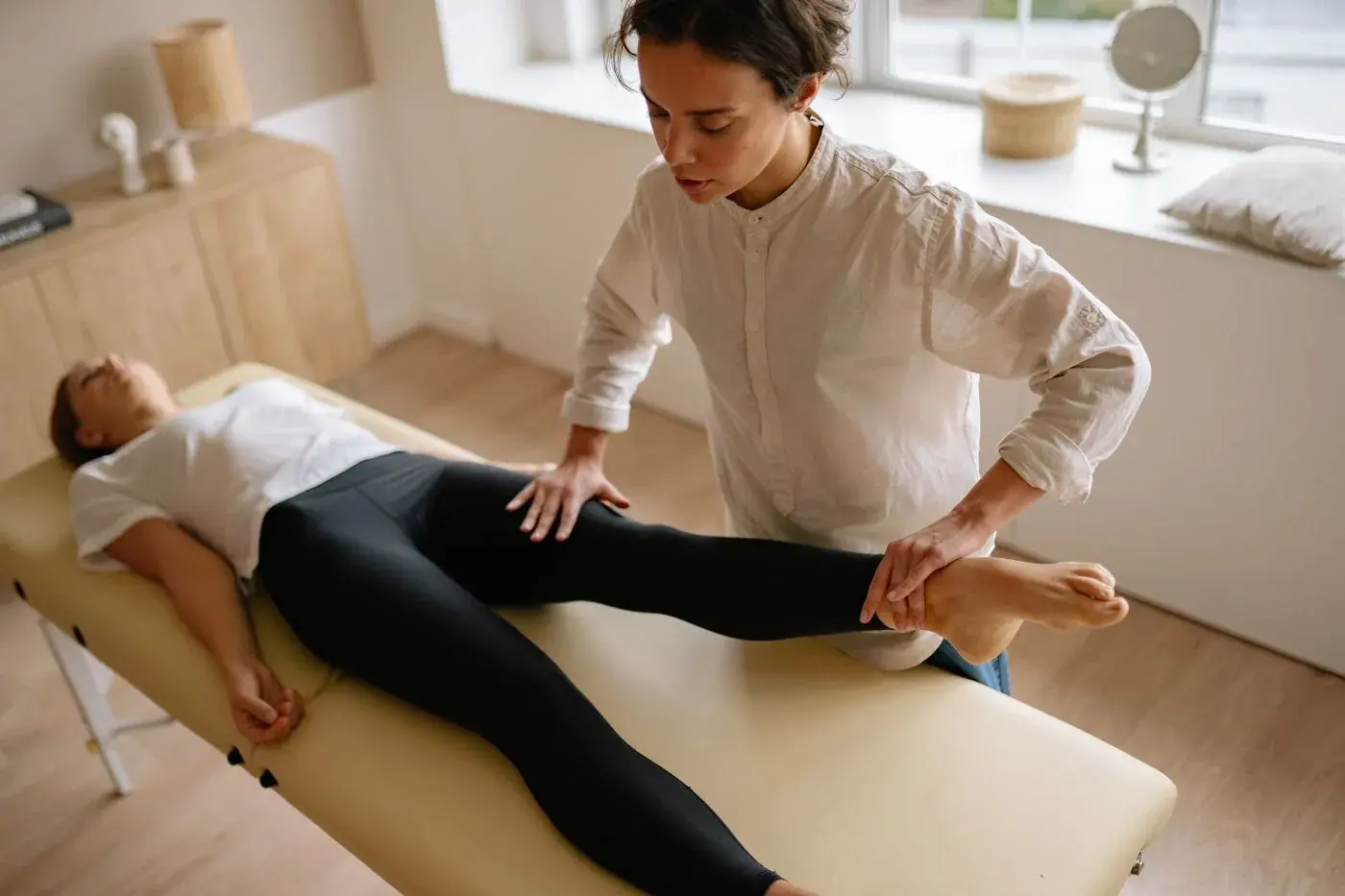
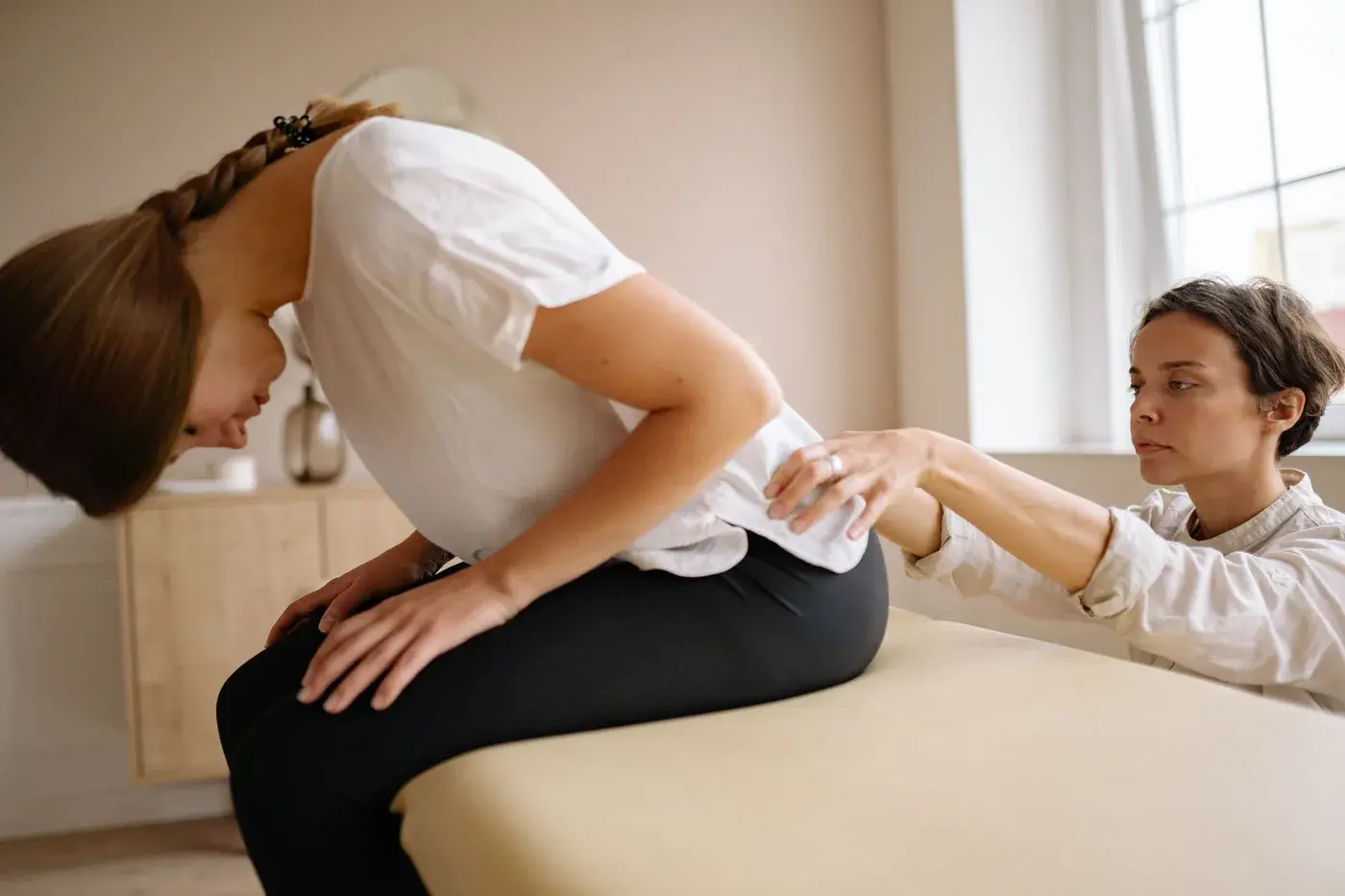
This article provides general information and is not an individual diagnosis or treatment recommendation. Ask your clinician how the information relates to your health. The accompanying stock photograph is illustrative.
Originally published Sep 28, 2026. Last updated Sep 28, 2026.