Neck-related headaches and primary migraine can look and feel similar, and they can also overlap. A careful history, a focused neurologic and musculoskeletal exam, and selective use of imaging help a pain clinic sort through possibilities while keeping safety first [1 (opens in a new tab), 5 (opens in a new tab)]. This guide explains how clinicians distinguish cervicogenic headache from migraine, what you can track and bring to your visit, and which warning signs point to immediate emergency evaluation rather than a clinic appointment [2 (opens in a new tab), 6 (opens in a new tab)]. CMS Pain & Rehab in Sandy Springs provides pain management and rehabilitation care with a safety‑focused approach [4].
How a pain clinic distinguishes cervicogenic headache from primary migraine
Cervicogenic headache is considered a secondary headache: head pain referred from structures in the neck, often the upper cervical joints and soft tissues. Primary migraine is a neurologic headache disorder not caused by another condition. In practice, features can overlap and one condition does not exclude the other, so clinicians use patterns across history and exam rather than a single sign [1 (opens in a new tab), 6 (opens in a new tab)].
History: Clinicians map the time course, triggers, aggravating neck positions or activities, associated symptoms, and prior head or neck injuries. They also review any prior imaging and perform a neurologic exam. When the history and exam are typical for migraine and the neurologic exam is normal, major guidance does not recommend routine neuroimaging, which reinforces how central the history and exam are in distinguishing primary migraine from other causes [5 (opens in a new tab)].
Cervical musculoskeletal exam: Compared with migraine and with individuals without headache, people with suspected cervicogenic headache more often show limitations or pain with upper cervical motion and segmental palpation and may demonstrate a more restricted flexion‑rotation test that targets C1–C2 motion. These patterns can support—but do not by themselves prove—a neck source for head pain. Migraine can also be associated with neck pain and some cervical exam changes, so findings are interpreted in context with the overall headache picture [1 (opens in a new tab)].
Upper cervical focus: Because the flexion‑rotation test targets the C1–C2 segments and these levels are frequently discussed in cervicogenic headache research, clinicians often pay close attention to upper cervical mechanics, muscle tone, and provocation maneuvers during the exam. This focus helps frame whether the neck appears to be a contributor versus a bystander in a primary headache disorder [1 (opens in a new tab)].
What to track and bring before your pain‑clinic visit
- A dated headache and neck‑pain log: onset time, duration, location on the head, whether pain switches sides or stays side‑locked, and any neck positions or activities that seemed to provoke or ease symptoms [5 (opens in a new tab)].
- Specific associated symptoms for each attack: sensitivity to light or sound, nausea or vomiting, visual or sensory changes, speech changes, dizziness or imbalance, and whether these occurred before, during, or after the pain [5 (opens in a new tab)].
- A brief note on function and mobility: what activities you avoided or modified at work, school, driving, reading, computer use, or sleep because of the episode. This helps align goals for daily function in rehabilitation planning.
- Neck‑focused details: stiffness on waking, trouble turning the head, a feeling of catching with rotation, or headaches after sustained postures such as prolonged computer work. Note any recent minor or major neck injuries, even if they seemed trivial at the time [1 (opens in a new tab)].
- A simple trigger inventory: travel, shift‑work, missed meals, dehydration, stress changes, menstruation, illness, or high‑intensity exertion around the time of attacks. This helps pattern recognition without implying any one trigger is definitive [5 (opens in a new tab)].
- Medication and supplement list: what you take regularly and what you used acutely for headache, with approximate dates and times. Do not make changes without discussing them with your prescribing clinician.
- Prior records: past clinic notes, physical therapy progress notes, and any head or neck imaging reports you already have, if available. Bringing reports prevents duplicate testing and helps your team interpret findings in context [5 (opens in a new tab), 3 (opens in a new tab)].
- Safety notes captured in your log: any episode that was first or worst, abrupt thunderclap onset, new neurologic symptoms, fever or neck stiffness, new headache after head or neck trauma, or new daily persistent headache. These are red flags to share immediately and, when present, they point to urgent or emergent evaluation rather than a routine appointment [2 (opens in a new tab), 6 (opens in a new tab)].
Headache red flags that require immediate emergency evaluation
Certain headache features point away from a routine clinic visit and toward immediate emergency evaluation to rule out time‑sensitive causes. If any of the following are present now, seek emergency care rather than scheduling a clinic appointment [2 (opens in a new tab), 6 (opens in a new tab)].
- Sudden, severe thunderclap headache that peaks within seconds to a minute [2 (opens in a new tab), 6 (opens in a new tab)].
- First or worst headache of your life, or a dramatic change in a usual pattern [2 (opens in a new tab)].
- New focal neurologic symptoms or deficits such as weakness, trouble speaking, facial droop, double vision, or new seizures [2 (opens in a new tab), 6 (opens in a new tab)].
- Fever, neck stiffness, rash, or systemic signs of infection with headache [2 (opens in a new tab), 6 (opens in a new tab)].
- New headache with or after head or neck trauma, including possible cervical artery dissection when severe neck pain accompanies neurologic symptoms [2 (opens in a new tab), 6 (opens in a new tab)].
- New or progressively worsening headaches in someone with cancer, immunosuppression, or known HIV [2 (opens in a new tab)].
- New daily persistent headache [2 (opens in a new tab), 6 (opens in a new tab)].
- New onset headache after age 50 [2 (opens in a new tab)].
- Headache that begins during pregnancy or the postpartum period [2 (opens in a new tab), 6 (opens in a new tab)].
- Headache triggered by exertion, cough, or Valsalva, or strongly positional headaches [2 (opens in a new tab), 6 (opens in a new tab)].
How imaging is considered during a headache workup
Imaging decisions are individualized and guided by the history and exam. The American Headache Society advises that routine neuroimaging is not necessary for individuals with a clinical picture consistent with migraine and a normal neurologic exam. Imaging is considered when red flags or atypical features are present, such as first or worst headache, unusual or prolonged aura, significant change in frequency or severity, posttraumatic onset, side‑locked headaches that never switch sides, brainstem‑type aura, motor symptoms suggestive of hemiplegic migraine, or headaches reliably precipitated by exertion, cough, or Valsalva [5 (opens in a new tab)]. When imaging is indicated, clinicians use appropriateness criteria to choose modality and timing based on the suspected cause; for example, different scenarios may call for noncontrast head CT, CT angiography, or MRI/MRA to answer specific safety questions [3 (opens in a new tab)]. Decisions about cervical spine imaging are separate from brain imaging and are tailored to the clinical scenario [3 (opens in a new tab)].
What to expect during a pain‑clinic evaluation for head and neck pain
A pain‑clinic visit typically blends a neurologic screen with a targeted cervical musculoskeletal assessment. Elements can include mapping headache features and triggers, reviewing your log, and examining neck motion and segmental mechanics. Findings that may raise suspicion for cervicogenic headache include painful or restricted upper cervical rotation and tenderness on palpation of cervical joints or muscles. These findings are weighed alongside the overall headache phenotype because migraine can also present with neck pain and some cervical exam changes [1 (opens in a new tab)]. If imaging is considered, your clinician will explain the rationale in light of guideline criteria and your safety profile [5 (opens in a new tab), 3 (opens in a new tab)].
Questions you can bring to your clinician
- From my history and exam, what features point more toward a neck‑referred headache versus a primary migraine pattern, and what is still uncertain? [1 (opens in a new tab)].
- If you suspect a neck source, which specific exam findings support that, and how reliable are those findings on repeat testing? [1 (opens in a new tab)].
- Do any of my features meet red‑flag criteria where urgent testing is safer than observation, and which signs should prompt immediate emergency evaluation if they occur again? [2 (opens in a new tab), 6 (opens in a new tab)].
- Based on current headache imaging guidance, is brain or neck imaging indicated in my case, and what question would the study be trying to answer? [5 (opens in a new tab), 3 (opens in a new tab)].
- How should I track my headaches and neck symptoms between visits to help us monitor function and mobility? What changes would you want me to report promptly? [5 (opens in a new tab), 2 (opens in a new tab)].
- If medications are part of my care, what safety monitoring do you use, and which changes should only be made together with my prescribing clinician?
Limits, overlap, and uncertainty to keep in mind
No single history detail, exam test, or imaging result definitively separates cervicogenic headache from migraine in every case. Cervical exam differences such as reduced upper cervical rotation or tenderness occur more often in cervicogenic headache, yet they can also appear in migraine, which means results are probabilistic and must be interpreted with the broader clinical story over time [1 (opens in a new tab)]. Many secondary headaches share overlapping symptoms, and red‑flag frameworks such as SNNOOP10 emphasize when life‑threatening causes should be excluded urgently rather than assumed absent [2 (opens in a new tab), 6 (opens in a new tab)]. Imaging guidance continues to evolve; current recommendations stress that routine brain imaging is unnecessary in typical migraine with a normal exam, while atypical features and red flags steer testing choices and urgency [5 (opens in a new tab), 3 (opens in a new tab)].
FAQs
Can cervicogenic headache and migraine occur together?
Yes. Neck pain and cervical exam changes are documented in some people with migraine, and cervicogenic headache features can coexist with a primary headache disorder. Clinicians integrate history, neurologic findings, and cervical musculoskeletal tests over time to understand whether the neck appears to be a pain generator, a contributor, or a bystander [1 (opens in a new tab)].
Do I need imaging if my headaches include neck pain?
Routine neuroimaging is not recommended for individuals whose history and exam are typical for migraine and whose neurologic exam is normal. Imaging is considered when atypical features or red flags are present, such as first or worst headache, unusual or prolonged aura, new neurologic deficits, posttraumatic onset, cough‑ or exertion‑triggered headache, or a side‑locked headache that never switches sides. Decisions about brain versus neck imaging and timing are individualized and guided by scenario‑specific criteria. Discuss options with your clinician; do not arrange or avoid tests on your own [5 (opens in a new tab), 3 (opens in a new tab)].
What is the flexion‑rotation test, and why might a clinician use it?
A commonly used clinical maneuver is the cervical flexion‑rotation test, which targets motion at the C1–C2 joints. People with suspected cervicogenic headache tend to show a greater restriction on this test than those with migraine or individuals without headache, but results are not definitive on their own. Clinicians interpret this and other exam findings alongside your overall headache pattern [1 (opens in a new tab)].
Which headache symptoms require immediate emergency evaluation?
Seek immediate emergency care if a headache is sudden and maximal at onset; is first or worst; comes with new neurologic symptoms such as weakness, trouble speaking, or double vision; occurs with fever or neck stiffness; follows head or neck trauma; appears in the setting of cancer or immunosuppression; starts during pregnancy or the postpartum period; or is precipitated by exertion, cough, or Valsalva. These features warrant urgent evaluation for secondary causes [2 (opens in a new tab), 6 (opens in a new tab)].
Sources
- Differentiating migraine, cervicogenic headache and asymptomatic individuals based on physical examination findings: a systematic review and meta-analysis - PMC (opens in a new tab)
- Red and orange flags for secondary headaches in clinical practice: SNNOOP10 list - PMC (opens in a new tab)
- Revised 2022 (opens in a new tab)
- Pain Management in Sandy Springs, GA | CMS Pain & Rehab
- Neuroimaging for Migraine: The American Headache Society Systematic Review and Evidence‐Based Guideline - Evans - 2020 - Headache: The Journal of Head and Face Pain - Wiley Online Library (opens in a new tab)
- Hallmarks of headache disorders: part 5 - secondary headaches | The Journal of Headache and Pain | Springer Nature Link (opens in a new tab)
When to Talk With a Clinician
For non-emergency questions, contact CMS Pain Management & Rehab to discuss your symptoms and care options with a qualified clinician. For emergency warning signs, call 911 or seek emergency care now rather than contacting the clinic.
Medical disclaimer: This article is for general education and is not a diagnosis or a substitute for individualized medical advice. Treatment options, risks, and eligibility vary; consult a qualified healthcare professional.
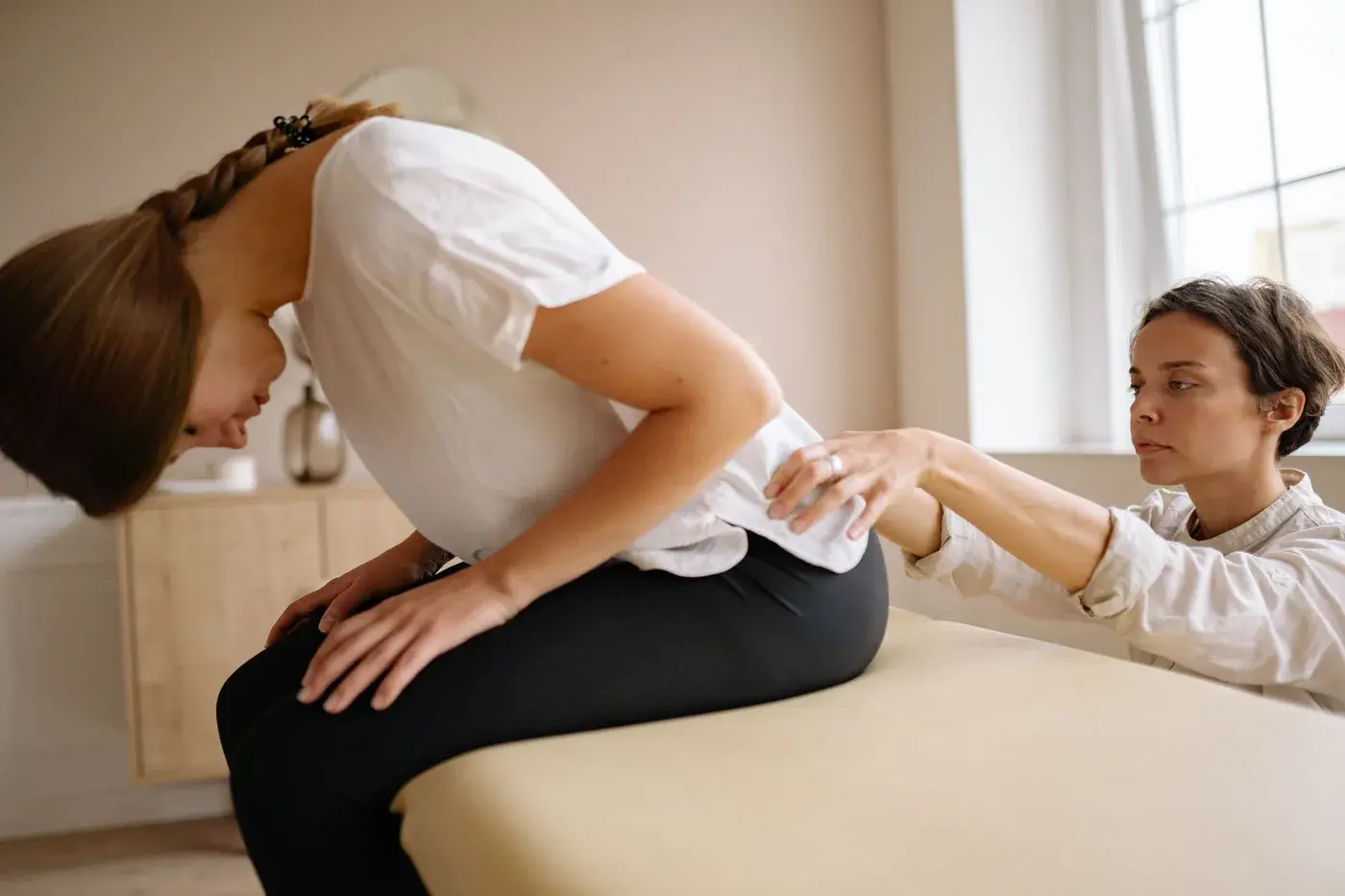
This article provides general information and is not an individual diagnosis or treatment recommendation. Ask your clinician how the information relates to your health. The accompanying stock photograph is illustrative.
Originally published Sep 28, 2026. Last updated Sep 28, 2026.