Date: 2026-09-01 If you are searching for muscle spasm treatment near me, you are not alone. Recurring, severe, or persistent muscle spasms can interrupt sleep, limit activity, and raise concerns about what is causing them. A responsible pain-clinic evaluation starts by screening for urgent warning signs and contributing conditions. Only then does it move on to discuss conservative care, rehabilitation, and whether medications are appropriate for your situation [2 (opens in a new tab), 3 (opens in a new tab), 1 (opens in a new tab)].
What do clinicians mean by a muscle spasm or cramp?
A muscle cramp is a sudden, involuntary, often painful contraction of a muscle or muscle group that may last seconds to minutes. Many people use spasm and cramp to describe the same event. Cramps and spasms can occur after exertion, at night, or during everyday activities. They may be idiopathic (no clear cause) or related to exertion, electrolyte imbalance, medications, or nerve irritation [1 (opens in a new tab), 2 (opens in a new tab)]. Spasticity is different. It refers to a velocity-dependent increase in muscle tone and reflexes that results from an upper motor neuron lesion in the brain or spinal cord. Spasticity is a neurologic sign rather than a simple muscle cramp and requires a different diagnostic approach [4 (opens in a new tab)].
When muscle spasms are an emergency
- New bladder or bowel dysfunction (incontinence, retention) together with severe low back pain or leg symptoms, or new saddle numbness. Seek immediate emergency evaluation to assess for conditions such as cauda equina syndrome or severe nerve compression [3 (opens in a new tab)].
- Rapidly progressive weakness, new difficulty walking, or new problems using an arm or hand with neck or back pain. Seek immediate emergency evaluation [9 (opens in a new tab), 3 (opens in a new tab)].
- Severe neck or back pain after significant trauma. Seek immediate emergency evaluation [3 (opens in a new tab), 9 (opens in a new tab)].
Other red flags—such as fever with spine pain, recent serious infection, cancer history, unexplained weight loss, or immunosuppression—warrant prompt medical assessment to consider infection, fracture, or malignancy. A clinician can help prioritize the right setting for evaluation based on your overall risk profile [3 (opens in a new tab), 2 (opens in a new tab)].
Common categories of muscle spasm causes
- Benign or idiopathic cramps: painful, brief episodes without an identifiable disease driver; often occur at night or after exertion [1 (opens in a new tab)].
- Exertional or fatigue-related: muscle overuse or dehydration can precipitate cramps in some people [1 (opens in a new tab)].
- Electrolyte and metabolic contributors: abnormalities in sodium, potassium, calcium, or magnesium; kidney disease; and some endocrine issues can be associated with cramping [1 (opens in a new tab)].
- Medication-related: certain medications (for example, some diuretics and statins) have been associated with muscle cramps in some individuals; a clinician can review your specific list and context [1 (opens in a new tab)].
- Nerve root or peripheral nerve irritation: back muscle spasm may accompany lumbar radiculopathy or nonspecific low back pain; neck spasm may accompany cervical pain or radiculopathy [2 (opens in a new tab), 9 (opens in a new tab)].
- Neurologic spasticity: stiffness and increased reflexes from central nervous system conditions are distinct from simple cramps and require neurologic evaluation for the underlying cause [4 (opens in a new tab)].
What a responsible evaluation may include
A pain-management evaluation for recurring or painful spasms typically begins with a careful history: where and when the spasms occur, duration, triggers, activity and sleep patterns, hydration, heat exposure, and any associated numbness, weakness, or back/neck pain. It also includes a review of current medications and supplements, since some agents can contribute to cramping [1 (opens in a new tab)].
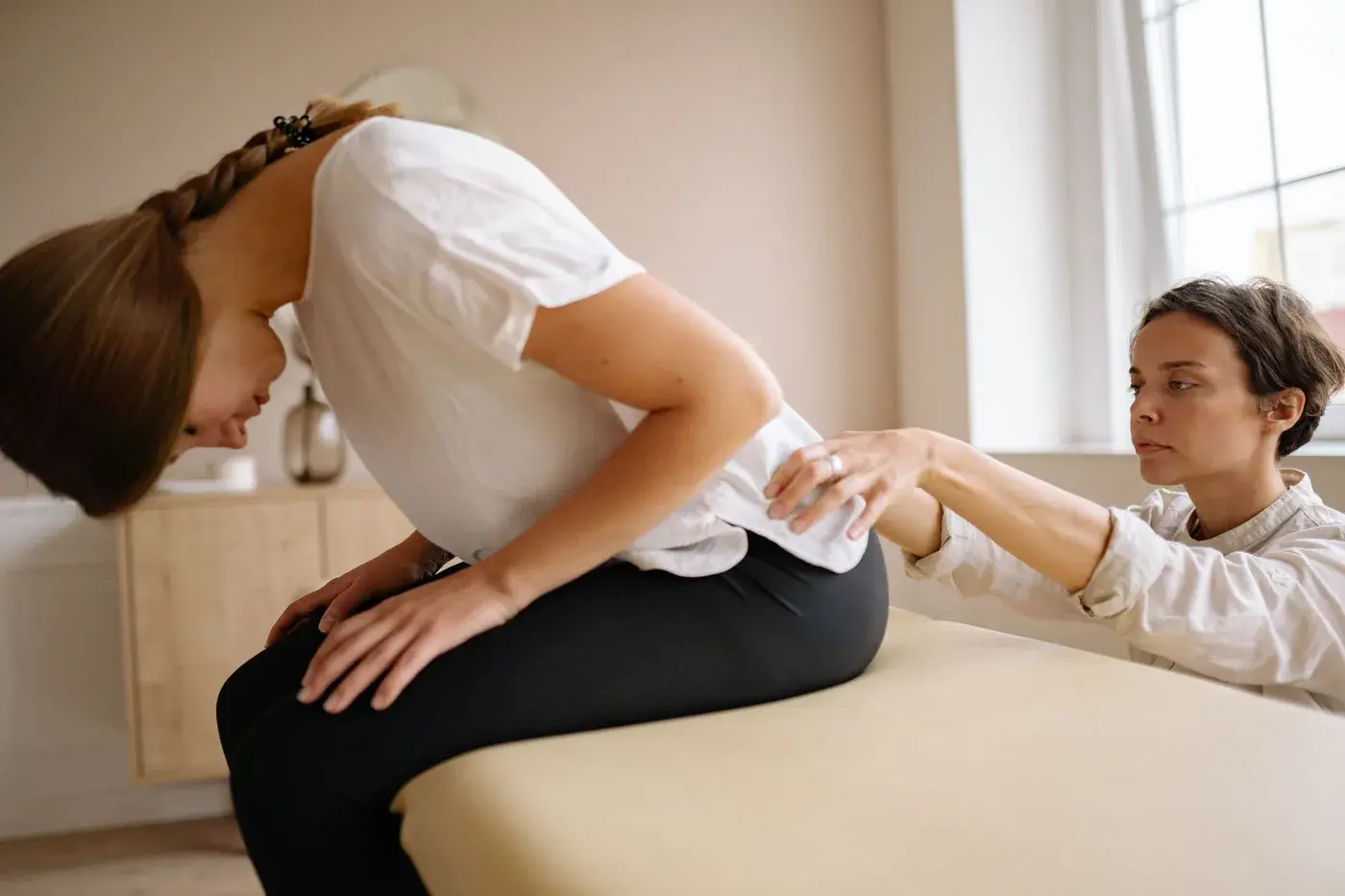
The physical examination usually assesses gait, strength, reflexes, sensation, muscle tone, and spine or joint mechanics. The goal is to identify patterns that suggest a local muscle issue, a spine-related pain generator, or a neurologic condition, and to screen for red flags that change urgency or testing needs [2 (opens in a new tab), 9 (opens in a new tab), 3 (opens in a new tab)].
Testing is individualized. When the history or exam suggests systemic contributors, a clinician may order targeted laboratory studies—such as electrolytes or kidney function—to look for potentially reversible factors associated with cramping [1 (opens in a new tab)].
Imaging is not automatically required for muscle spasms. For low back pain without red flags, guidelines advise avoiding routine early imaging and instead focusing on clinical evaluation and conservative care; imaging is reserved for red flags or when results are expected to change management [2 (opens in a new tab), 3 (opens in a new tab)]. For neck pain and suspected cervical radiculopathy, imaging decisions follow separate criteria based on neurologic findings and red flags specific to the cervical spine [9 (opens in a new tab)].
Conservative care and rehabilitation options often discussed
Movement-based rehabilitation and physical therapy
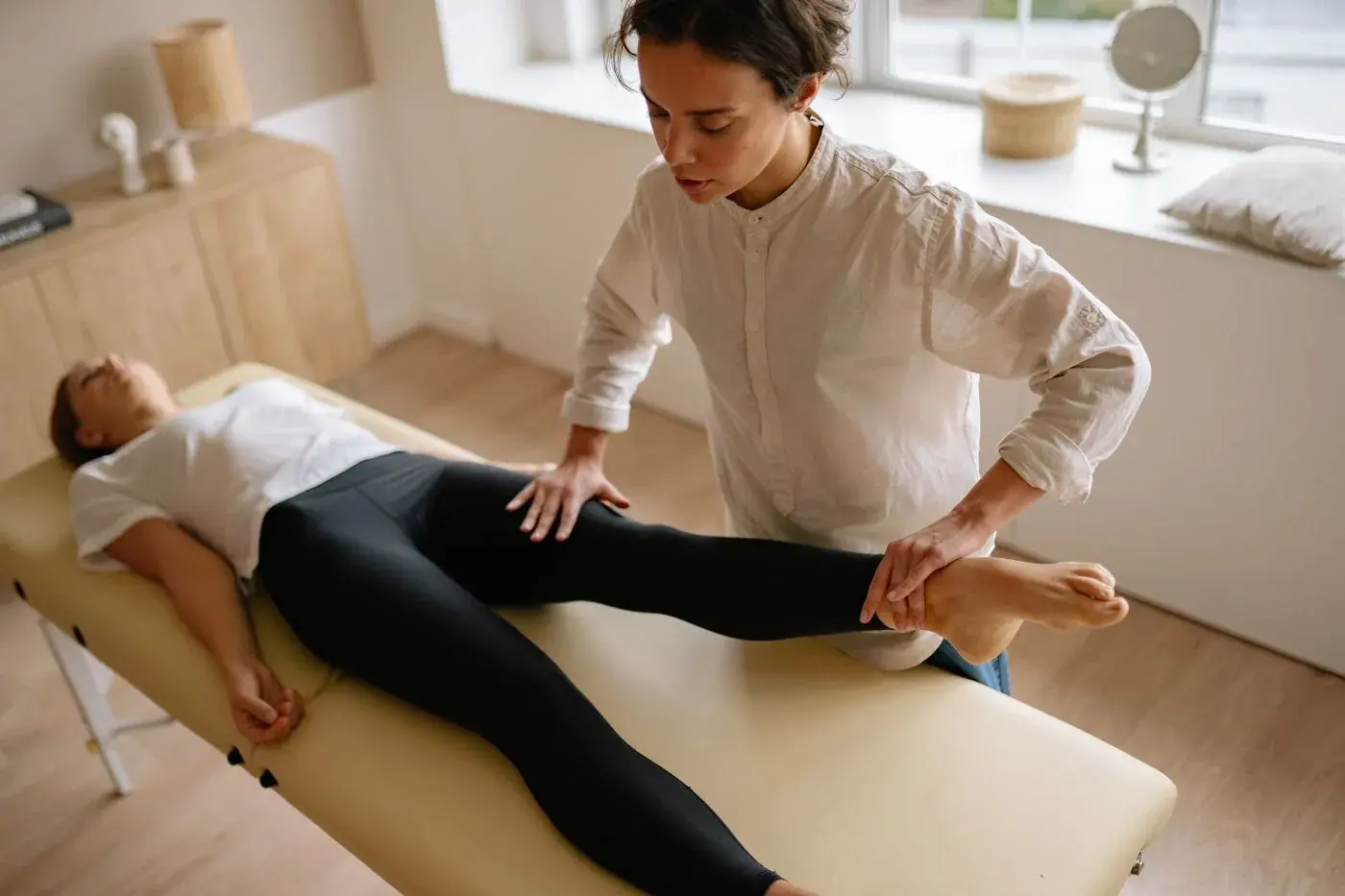
For back or neck-related muscle spasm, clinicians often emphasize staying active within tolerance and considering a structured rehabilitation plan. Exercise-based physical therapy can address flexibility, conditioning, and movement patterns that may contribute to pain and recurrent spasms. Evidence summaries for low back pain support exercise approaches as part of nonpharmacological first-line care, acknowledging variability by individual and condition [10 (opens in a new tab), 12 (opens in a new tab)].
Heat, massage, spinal manipulation, and related options
Depending on your presentation, a clinician may discuss non-drug therapies that some people find helpful for low back pain, such as superficial heat, massage, spinal manipulation, or other manual therapies. Evidence across modalities varies in strength and durability, and care is tailored to goals, preferences, and risks [10 (opens in a new tab), 12 (opens in a new tab)].
Acupuncture
Acupuncture is an option some patients consider for pain conditions. Research suggests it may help certain types of pain, with safety that depends on using a qualified practitioner and sterile techniques. Discuss potential benefits and risks in the context of your diagnosis and preferences [5 (opens in a new tab)].
Targeted stretching for idiopathic cramps
When cramps are idiopathic (no clear disease driver), some individuals report fewer episodes with regular, targeted stretching programs. A clinician or physical therapist can help determine whether and how supervised stretching fits your situation [1 (opens in a new tab)].
Medication considerations and safety points to discuss with your clinician
If medication is considered for acute low back pain with muscle spasm, guidelines note that nonsteroidal anti-inflammatory drugs or a short course of a skeletal muscle relaxant may be options when benefits are judged to outweigh risks. Effect sizes are often modest, and choices are individualized. Do not make medication changes without the prescribing clinician [12 (opens in a new tab), 6 (opens in a new tab)].
Skeletal muscle relaxants can reduce pain in some adults with acute nonspecific low back pain over the short term, but they are associated with adverse effects such as sedation and dizziness; many studies are short in duration, and long-term benefit is uncertain. Clinicians weigh these trade-offs carefully and tailor decisions to the person’s risks and responsibilities (for example, driving or operating machinery) [6 (opens in a new tab)].
If an antispastic prescription is being considered for conditions that involve spasticity, prescribing information describes potential adverse effects such as drowsiness and dizziness. Decisions about whether and how to use these agents are individualized and guided by the prescribing clinician who knows your history [7 (opens in a new tab)].
Clinicians generally avoid initiating opioids for many subacute and chronic musculoskeletal pain presentations because potential short- and long-term harms can outweigh benefits for most patients. When opioids are considered, practice emphasizes careful risk discussion, functional goals, and close follow-up. Medication decisions are individualized and clinician-led [8 (opens in a new tab)].
A note on imaging: lumbar and cervical guidance are separate
Low back (lumbar) pain and spasm
For low back pain without red flags, routine early imaging is generally not recommended because it does not improve outcomes and can lead to unnecessary downstream procedures. Imaging is reserved for concerning features or when results will change management, such as persistent or progressive neurologic deficits or suspicion of specific conditions. If emergency warning signs are present, seek immediate emergency evaluation [2 (opens in a new tab), 3 (opens in a new tab)].
Neck (cervical) pain and spasm
For neck pain and suspected cervical radiculopathy, imaging recommendations are based on red flags and neurologic findings specific to the cervical region; these criteria are not identical to lumbar rules. Your clinician can explain when imaging is likely to inform decisions [9 (opens in a new tab)].
How a local pain clinic approaches recurring muscle spasms
At CMS Pain Management & Rehab, visits for muscle spasms prioritize safety screening, careful history and examination, and a stepwise discussion of conservative options. When appropriate, the care plan may include coordination with physical therapy, consideration of non-drug options, and a cautious discussion of whether medications have a role for your situation. Services are organized around pain management and rehabilitation principles [11].
Preparing for a clinic evaluation
- Write down where spasms occur, when they start, how long they last, and what seems to trigger or relieve them.
- Note any associated symptoms such as numbness, tingling, weakness, back or neck pain, sleep disruption, or falls.
- Bring an up-to-date list of medications and supplements, including recent changes.
- Track hydration, heat exposure, and recent activity levels around episodes.
- List prior injuries, surgeries, or neurologic conditions, if any.
- If you have any emergency warning signs listed above, seek immediate emergency evaluation rather than waiting for a clinic visit.
Questions you can ask your clinician
- Based on my history and exam, what cause categories are most plausible for my spasms?
- Do you see any red flags that change the urgency or the type of testing I need?
- What conservative options fit my situation, and how will we measure progress in pain and function?
- When, if at all, would you consider imaging for me, and how would results change the plan?
- If we discuss medications, what short-term and long-term risks should I understand, and how will safety be monitored?
- Would a referral to physical therapy or another rehabilitation service help address contributing factors?
- What symptoms should prompt me to seek immediate emergency evaluation before contacting a clinic?
FAQs about muscle spasm evaluation and care
What is the difference between a cramp, a spasm, and spasticity?
A cramp or spasm is a sudden, involuntary, often painful contraction that can last seconds to minutes. Spasticity is different: it is a neurologic sign with increased tone and reflexes from an upper motor neuron lesion and requires a different evaluation pathway [1 (opens in a new tab), 4 (opens in a new tab)].
When should I go to the emergency department for spasms with back or neck pain?
Seek immediate emergency evaluation for new bladder or bowel dysfunction with severe low back pain or leg symptoms, new saddle numbness, rapidly progressive weakness, or severe spine pain after significant trauma. These features can signal urgent conditions [3 (opens in a new tab), 9 (opens in a new tab)].
Will I need an MRI or X-ray for muscle spasms?
For low back pain without red flags, routine early imaging is generally not recommended; testing is reserved for concerning features or when results are likely to change management. For neck pain or suspected cervical radiculopathy, imaging criteria are separate and depend on cervical-specific red flags and neurologic findings [2 (opens in a new tab), 3 (opens in a new tab), 9 (opens in a new tab)].
Are muscle relaxants effective and what are the safety considerations?
For acute nonspecific low back pain, skeletal muscle relaxants can reduce pain over the short term for some adults, but adverse effects like sedation and dizziness are more common; long-term benefit is uncertain. Medication choices are individualized and clinician-led [6 (opens in a new tab), 12 (opens in a new tab)].
Limitations and uncertainty to keep in mind
Sources
- Muscle Cramps - StatPearls - NCBI Bookshelf (opens in a new tab)
- Low Back Pain | Rheumatology | JAMA | JAMA Network (opens in a new tab)
- ACR Appropriateness Criteria® Low Back Pain: 2021 Update. (opens in a new tab)
- Spasticity - StatPearls - NCBI Bookshelf (opens in a new tab)
- Acupuncture: Effectiveness and Safety | NCCIH (opens in a new tab)
- Efficacy, acceptability, and safety of muscle relaxants for adults with non-specific low back pain: systematic review and meta-analysis - PMC (opens in a new tab)
- Baclofen tablets, USP 5 mg 10 mg 20 mg Muscle Relaxant, Antispastic Rx only Prescribing Information (opens in a new tab)
- CDC Clinical Practice Guideline for Prescribing Opioids for Pain — United States, 2022 (opens in a new tab)
- ACR Appropriateness Criteria® Cervical Pain or Cervical Radiculopathy: 2024 Update - PubMed (opens in a new tab)
- Non‐pharmacological and non‐surgical treatments for low back pain in adults: an overview of Cochrane reviews - PMC (opens in a new tab)
- Pain Clinics of America | CMS Pain & Rehab
- Noninvasive Treatments for Acute, Subacute, and Chronic Low Back Pain: A Clinical Practice Guideline From the American College of Physicians | Annals of Internal Medicine (opens in a new tab)
When to Talk With a Clinician
For non-emergency questions, contact CMS Pain Management & Rehab to discuss your symptoms and care options with a qualified clinician. For emergency warning signs, call 911 or seek emergency care now rather than contacting the clinic.
Medical disclaimer: This article is for general education and is not a diagnosis or a substitute for individualized medical advice. Treatment options, risks, and eligibility vary; consult a qualified healthcare professional.
This article provides general information and is not an individual diagnosis or treatment recommendation. Ask your clinician how the information relates to your health. The accompanying stock photograph is illustrative.
Originally published Sep 2, 2026. Last updated Sep 2, 2026.