Neurogenic vs vascular claudication at a spine-pain clinic: context and goals (2026-09-23)
Leg pain, heaviness, cramping, or fatigue that limits walking is often called claudication. Two common causes—neurogenic claudication related to lumbar spinal stenosis and vascular claudication related to peripheral artery disease—can feel similar but have different drivers, risks, and evaluation paths. This article explains walking and posture patterns that may suggest one or the other, what to track before a spine-pain visit at CMS Pain Management & Rehab, and which symptoms require immediate emergency evaluation. These patterns inform a cautious, clinician-led assessment; they are not a diagnosis. Lumbar spinal stenosis can compress nerve structures and provoke activity‑related leg symptoms that often ease with spinal flexion, while peripheral artery disease limits blood flow to the legs and can cause exertional calf or leg pain that improves with rest regardless of posture [1 (opens in a new tab), 2 (opens in a new tab), 10 (opens in a new tab), 5 (opens in a new tab)]. Because symptoms can overlap, clinicians use history, examination, and, when appropriate, tests together to guide care [3 (opens in a new tab), 7 (opens in a new tab), 10 (opens in a new tab)].
Walking and posture patterns that may suggest neurogenic vs vascular claudication
Neurogenic claudication is commonly linked to lumbar spinal stenosis. People often notice leg symptoms with walking or prolonged standing that improve with sitting or leaning forward. This forward‑flexed relief is sometimes called the shopping cart sign and reflects that flexion can enlarge the spinal canal and foramina, while extension narrows them [1 (opens in a new tab), 2 (opens in a new tab)]. Standing alone may trigger symptoms, and walking downhill (which promotes extension) can be harder than walking uphill (which promotes flexion) for some individuals [3 (opens in a new tab), 1 (opens in a new tab)]. Cycling or walking while leaning forward may be better tolerated because the spine stays flexed, though responses vary and are not definitive for any one person [3 (opens in a new tab), 4 (opens in a new tab)]. Neurogenic symptoms can involve the buttocks, thighs, and calves, sometimes with back pain, numbness, tingling, or perceived weakness; the pattern can fluctuate with posture and time on feet [1 (opens in a new tab), 7 (opens in a new tab)].
Vascular claudication is usually due to lower‑extremity peripheral artery disease. It classically presents as exertional leg discomfort—often cramping or tightness in the calves—that is brought on by walking a predictable distance and relieved by brief rest, regardless of posture or spine position [10 (opens in a new tab), 5 (opens in a new tab)]. Symptoms may be worse with greater metabolic demand, such as walking uphill or climbing stairs, and bicycling can provoke similar leg discomfort because it remains an exertional task for the calf and thigh muscles [10 (opens in a new tab), 5 (opens in a new tab)]. Physical signs of peripheral artery disease can include diminished pulses, cool skin, hair loss, or non‑healing wounds in the legs or feet; cardiovascular risk factors such as smoking, diabetes, high cholesterol, and aging increase likelihood and are important context for a clinician to consider [10 (opens in a new tab), 6 (opens in a new tab)].
Practical differentiators to observe (patterns are helpful, not proof)
- Relief with sitting or leaning forward after walking tends to favor neurogenic claudication; relief that occurs quickly with standing still, regardless of posture, is more typical of vascular claudication [1 (opens in a new tab), 3 (opens in a new tab), 10 (opens in a new tab), 5 (opens in a new tab)].
- Symptoms provoked by simply standing in place can suggest a neurogenic component; vascular claudication is usually tied to exertion rather than static standing [3 (opens in a new tab), 10 (opens in a new tab)].
- Downhill walking worse than uphill can point toward neurogenic claudication because downhill encourages lumbar extension; uphill may feel easier due to relative flexion for some people [3 (opens in a new tab), 1 (opens in a new tab)].
- Better tolerance for cycling or walking while leaning on a support may align with neurogenic claudication; in vascular claudication, exertion on a bicycle often brings on similar symptoms. Neither pattern is definitive on its own [3 (opens in a new tab), 4 (opens in a new tab), 10 (opens in a new tab)].
- Calf‑only cramping with a consistent, reproducible walking distance often aligns with vascular claudication; neurogenic symptoms may involve the buttocks and thighs as well as calves and can vary more with posture and time on feet [10 (opens in a new tab), 5 (opens in a new tab), 1 (opens in a new tab), 7 (opens in a new tab)].
- Diminished foot pulses, cool skin, hair loss, or non‑healing sores point toward peripheral artery disease and typically prompt vascular‑focused evaluation by clinicians; these findings are not features of neurogenic claudication itself [10 (opens in a new tab), 6 (opens in a new tab)].
What to track in a walking and posture log before your visit
Bringing clear observations helps your clinician interpret symptoms and plan a careful workup. In lumbar spinal stenosis, diagnosis relies on a combination of history, posture‑dependent features, neurologic examination, and, when appropriate, imaging; in suspected peripheral artery disease, history plus vascular examination and physiologic testing guide next steps [7 (opens in a new tab), 10 (opens in a new tab)]. A simple log kept over several days to weeks can support that process.
- Walking distance or time to symptom onset on flat ground, uphill, and downhill. Note whether the distance is consistent from day to day [10 (opens in a new tab), 3 (opens in a new tab)].
- What specifically relieves symptoms—sitting, leaning forward, standing still—and how long relief takes once you stop [1 (opens in a new tab), 10 (opens in a new tab)].
- Tolerance for cycling or using a treadmill with slight incline versus level or decline settings, if applicable, and whether leaning on handles changes symptoms [3 (opens in a new tab), 4 (opens in a new tab)].
- Standing tolerance without walking, such as while waiting in line, and whether symptoms build during static standing [3 (opens in a new tab)].
- Where symptoms are felt—back, buttocks, thighs, calves, feet—and any numbness, tingling, or perceived leg weakness. Note whether symptoms are on one or both sides [1 (opens in a new tab), 7 (opens in a new tab)].
- Any skin changes in the legs or feet such as coolness, color change, hair loss, or slow‑healing sores, and whether foot pulses have previously been documented as reduced by a clinician; also list cardiovascular risk factors previously identified in your care, such as diabetes, tobacco use, or high cholesterol [10 (opens in a new tab), 6 (opens in a new tab)].
- Time of day patterns and how grocery shopping or walking with a cart compares with walking without support (the shopping cart sign) [1 (opens in a new tab), 3 (opens in a new tab)].
- Prior imaging or test results you already have, such as lumbar MRI reports, ankle‑brachial index values, or vascular ultrasounds, and a current medication list for a safe, coordinated review. Your clinician will decide which records are relevant to today’s concerns [10 (opens in a new tab), 7 (opens in a new tab)].
When to seek immediate emergency care
A pain clinic is not the right setting for certain rapidly evolving or severe symptoms. New bladder or bowel dysfunction, numbness in the saddle area, or rapidly worsening leg weakness can signal compression of critical nerve structures and needs immediate emergency evaluation; timely assessment is essential because outcomes depend on prompt care [8 (opens in a new tab), 11 (opens in a new tab)]. Sudden severe leg pain with a cold, pale, or numb foot, especially with inability to feel pulses, can indicate acute limb ischemia and is also an emergency requiring immediate evaluation due to risk to limb and life [10 (opens in a new tab)].
- New urinary retention, new urinary or fecal incontinence, or new saddle‑area numbness—call emergency services (such as 911) or go to the nearest emergency department now [8 (opens in a new tab), 11 (opens in a new tab)].
- Rapidly progressive leg weakness or difficulty walking that is worsening over hours to days—call emergency services or go to the emergency department now [8 (opens in a new tab), 11 (opens in a new tab)].
- Severe leg pain with a suddenly cold, pale, or numb foot, especially if pulses seem absent or the foot becomes blue or mottled—call emergency services or go to the emergency department now [10 (opens in a new tab)].
Why patterns help but do not replace a careful evaluation
History clues such as posture‑dependent relief, downhill versus uphill difficulty, and calf‑dominant exertional pain can guide thinking, but they are imperfect discriminators when used alone. Research shows that individual symptoms have limited accuracy for distinguishing neurogenic from vascular claudication; combinations improve confidence but still require clinical confirmation [3 (opens in a new tab)]. Many adults with lumbar imaging evidence of stenosis have no symptoms, while others with symptoms have varying imaging severity; imaging is therefore interpreted alongside history and examination rather than in isolation [1 (opens in a new tab), 7 (opens in a new tab)]. For suspected peripheral artery disease, clinicians typically consider ankle‑brachial index testing at rest and sometimes after exercise, and may use duplex ultrasound or other vascular studies when indicated; these decisions are individualized [10 (opens in a new tab), 5 (opens in a new tab)]. Objective walking or cycling tests can complement the history in selected cases, but standardization and real‑world applicability vary across studies [4 (opens in a new tab)].
What your clinician may assess in the clinic
During a spine‑pain visit, the clinician typically synthesizes your symptom log with a focused neurologic and musculoskeletal exam and an assessment of how posture changes symptoms. Findings that raise concern for a vascular contribution may prompt coordination with your primary or vascular care team for pulse examination and physiologic testing such as an ankle‑brachial index, as clinically appropriate [10 (opens in a new tab)]. Decisions about lumbar imaging, such as MRI to evaluate suspected stenosis, are made after reviewing your history, examination, and red‑flag screening; imaging supports but does not substitute for clinical assessment [7 (opens in a new tab), 1 (opens in a new tab), 9 (opens in a new tab)]. In some clinics, supervised walking or simple functional tests may be used to observe symptom behavior in real time when helpful [4 (opens in a new tab)].
Questions to bring to your CMS Pain Management & Rehab visit
- Based on my walking and posture log, which features increase or decrease your concern for neurogenic versus vascular claudication?
- Are additional examinations or tests, such as ankle‑brachial index or lumbar MRI, potentially useful in my situation, and what would each result change in the plan?
- If both neurogenic and vascular factors might be present, how will the evaluation prioritize safety and sequencing across specialties?
- Which activity modifications or rehabilitation strategies are reasonable to discuss while we learn more, and how will progress be monitored?
- Are there medication safety considerations or interactions with any vascular or spine‑related treatments that I should understand before decisions are made?
FAQ: neurogenic vs vascular claudication
Common questions
Is the shopping cart sign specific for neurogenic claudication?
The shopping cart sign—symptoms easing when leaning forward on a cart—fits the flexion‑relief pattern of neurogenic claudication and can increase clinical suspicion, but it is not definitive by itself. Symptom combinations improve accuracy, yet confirmation still requires a clinician’s evaluation and, when indicated, testing [1 (opens in a new tab), 3 (opens in a new tab)].
Why is downhill walking sometimes harder than uphill with neurogenic claudication?
Downhill walking encourages lumbar extension, which can further narrow the spinal canal and foramina in lumbar spinal stenosis. Uphill walking or forward flexion can enlarge these spaces, so some people notice downhill as worse and leaning forward as relieving [1 (opens in a new tab), 2 (opens in a new tab)].
Can evaluation consider both neurogenic and vascular contributors?
Evaluation may consider both neurogenic and vascular contributors because their symptoms can overlap; clinicians assess the history and examination and order selective tests for either or both when indicated [3 (opens in a new tab), 10 (opens in a new tab)].
What tests are commonly used to evaluate suspected vascular claudication?
Clinicians often start with an ankle‑brachial index at rest and sometimes after exercise; duplex ultrasound and other vascular imaging or physiologic tests may be considered based on findings and goals of care [10 (opens in a new tab), 5 (opens in a new tab)].
If I can cycle farther than I can walk, does that prove neurogenic claudication?
Better tolerance on a bicycle can align with posture‑related relief seen in neurogenic claudication, but it is not conclusive. Some people with vascular claudication also experience exertional leg symptoms when cycling. Objective tests may assist but are interpreted in context [3 (opens in a new tab), 4 (opens in a new tab), 10 (opens in a new tab)].
Sources
- Management of lumbar spinal stenosis - PMC (opens in a new tab)
- Lumbar Spinal Stenosis - PMC (opens in a new tab)
- The reliability of differentiating neurogenic claudication from vascular claudication based on symptomatic presentation - PMC (opens in a new tab)
- Objective physical performance and exercise tests of patients with lumbar spinal stenosis: a systematic scoping review - PMC (opens in a new tab)
- 2016 AHA/ACC Guideline on the Management of Patients With Lower Extremity Peripheral Artery Disease: Executive Summary: A Report of the American College of Cardiology/American Heart Association Task Force on Clinical Practice Guidelines - PMC (opens in a new tab)
- Lower Extremity Peripheral Artery Disease: Contemporary Epidemiology, Management Gaps, and Future Directions: A Scientific Statement From the American Heart Association - PMC (opens in a new tab)
- The Essence of Clinical Practice Guidelines for Lumbar Spinal Stenosis, 2021: 2. Diagnosis and Evaluation - PMC (opens in a new tab)
- Cauda Equina and Conus Medullaris Syndromes - StatPearls - NCBI Bookshelf (opens in a new tab)
- An evidence-based clinical guideline for the diagnosis and treatment of degenerative lumbar spinal stenosis (update) - PubMed (opens in a new tab)
- 2024 ACC/AHA/AACVPR/APMA/ABC/SCAI/SVM/SVN/SVS/SIR/VESS Guideline for the Management of Lower Extremity Peripheral Artery Disease - PMC (opens in a new tab)
- Evaluation and management of cauda equina syndrome in the emergency department - PubMed (opens in a new tab)
When to Talk With a Clinician
For non-emergency questions, contact CMS Pain Management & Rehab to discuss your symptoms and care options with a qualified clinician. For emergency warning signs, call 911 or seek emergency care now rather than contacting the clinic.
Medical disclaimer: This article is for general education and is not a diagnosis or a substitute for individualized medical advice. Treatment options, risks, and eligibility vary; consult a qualified healthcare professional.
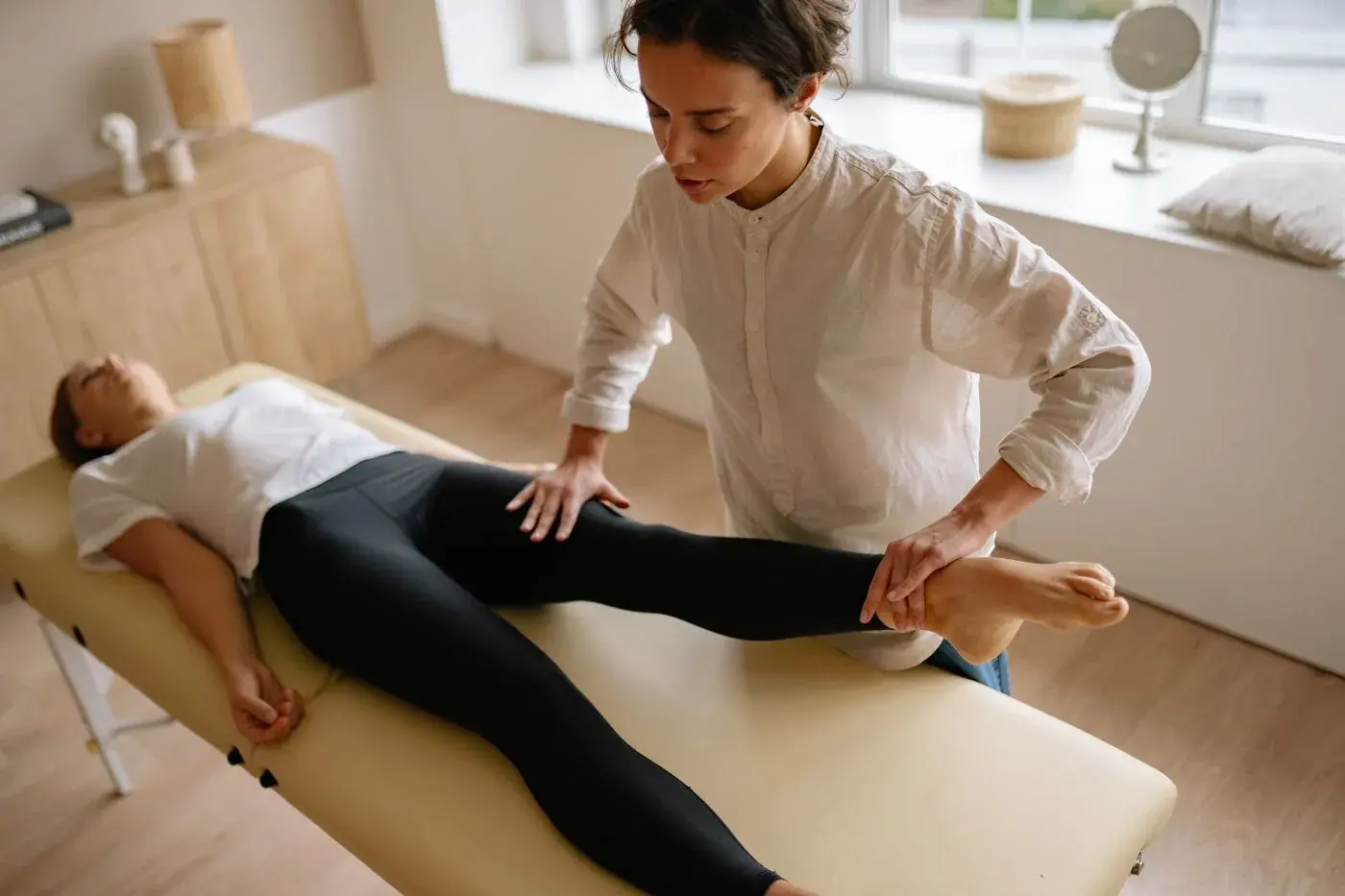
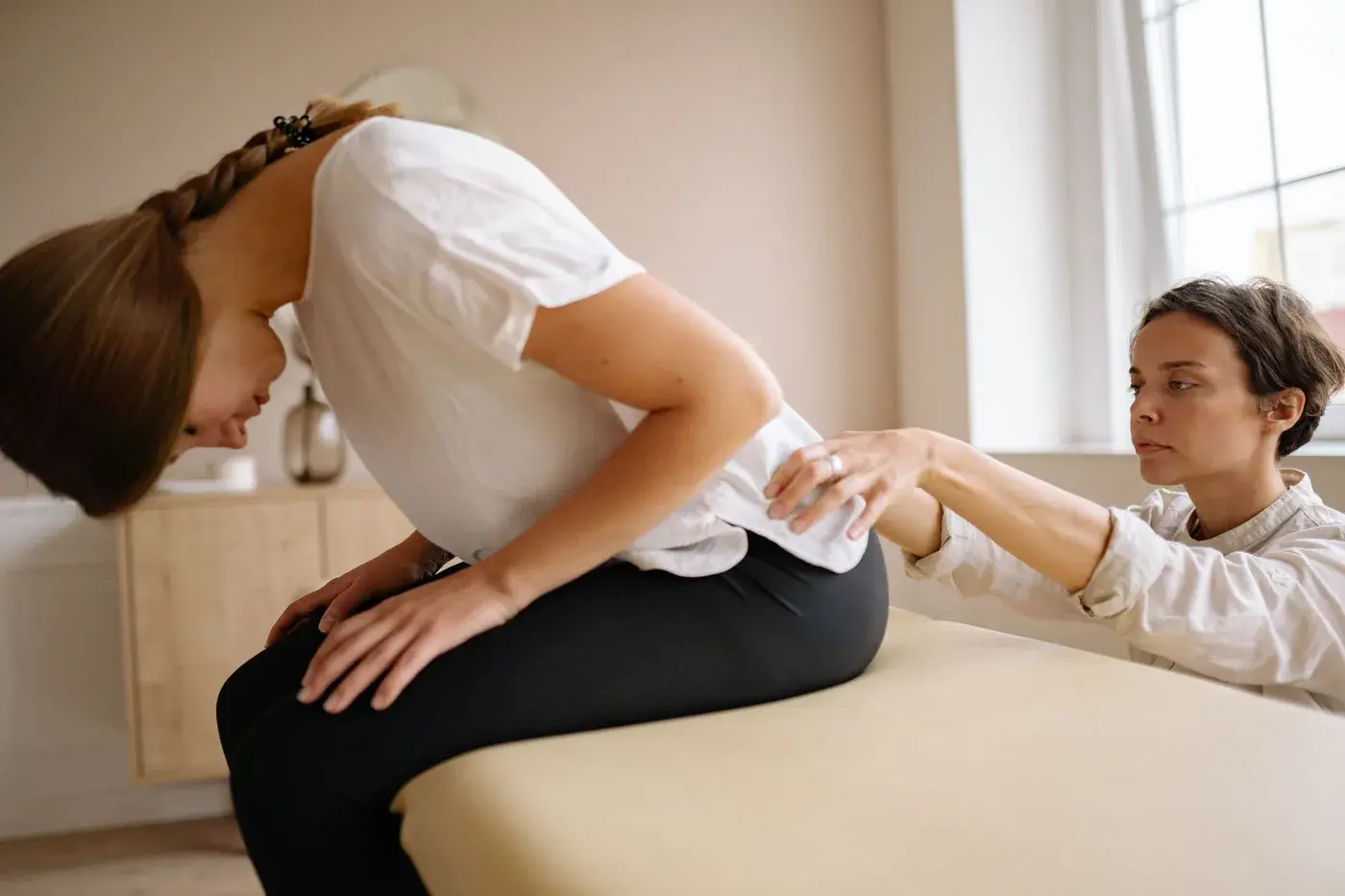
This article provides general information and is not an individual diagnosis or treatment recommendation. Ask your clinician how the information relates to your health. The accompanying stock photograph is illustrative.
Originally published Sep 23, 2026. Last updated Sep 23, 2026.